The Mountains of Switzerland
The Matterhorn, the Glacier Express, and More
Switzerland
I had visited Switzerland only briefly in the past. This is the first time I’ve had the opportunity to travel around Switzerland for almost a week. Susan and I booked a travel plan through Vacations By Rail, an American company that markets US, Canadian, and Swiss rail trips. We told them how many days we wanted to spend, and they put together a great itinerary: from Zurich to Zermatt (home of the Matterhorn) and St. Moritz (a popular vacation resort), with scenic train rides connecting them.
The only negative thing I have to say about Switzerland is that it’s very expensive. It’s practically impossible for a couple to have dinner for less than a hundred dollars (and that’s not including wine). Looking at the hotel and train ticket prices, we think that the Vacations By Rail package was very reasonably priced. (End of unsolicited endorsement)
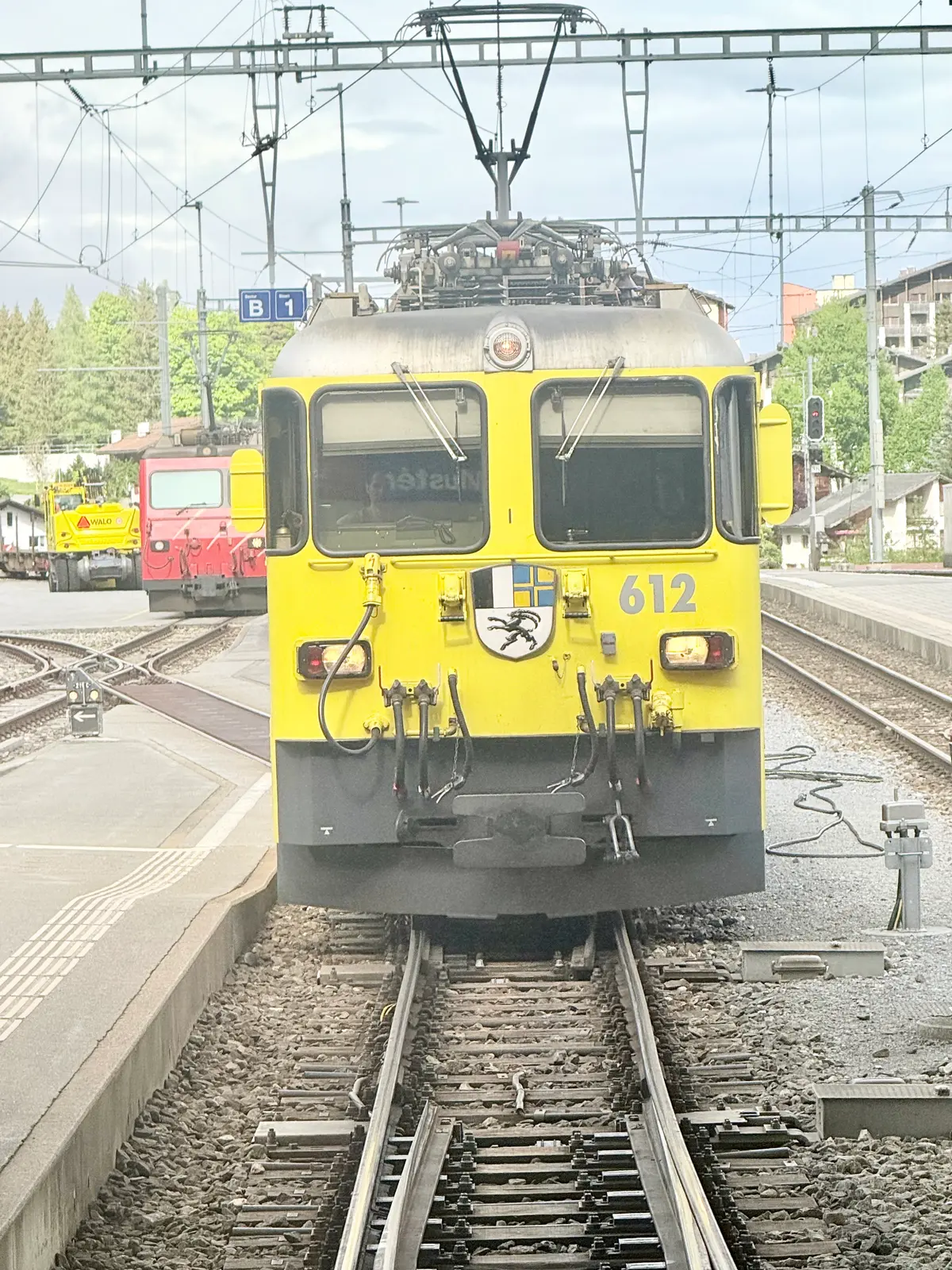
Changing train engines to use the unique cog-railway over the steep mountain passes.
I can say lots of positive things about Switzerland.
Briefly:
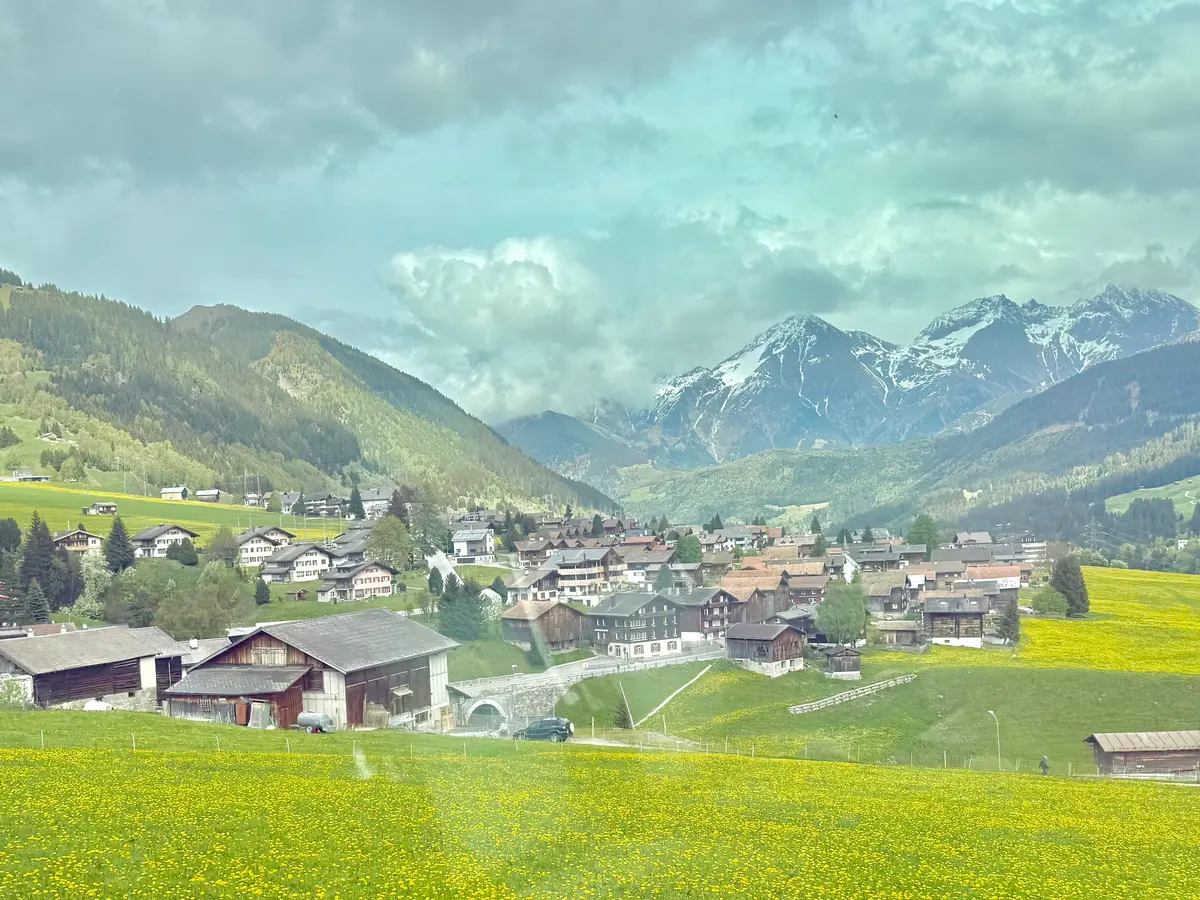
Switzerland is the cleanest country I’ve ever visited. I never saw a single piece of paper trash on the streets. The cities, houses, and gardens are all immaculately manicured. Very impressive!
The train system that we used for our travels is excellent...quiet, efficient, all electric.
We never saw any slums or poor areas. Certainly, the houses in smaller towns are more modest than those in Zurich. The standard of living is consistently high.
Service personnel...train employees, restaurant waiters, taxi drivers, etc are quadra-lingual, typically fluent in German, French, Italian, and English. I learned that Switzerland has one more official language, Romansch--a blend of Italian, German, and French, spoken only in a Southern mountainous area of Switzerland by only 0.5% of the Swiss population.
The landscapes are spectacular. The ski areas must be twenty times larger than the largest US ski areas. The trails go for miles. The mountains are huge and and are not groomed. The areas are simply too large. Of course, some tracks are groomed. But generally the huge mountains are bare of trees and ideal for advanced skiers seeking fresh powder.
The Swiss people that we interacted with were uniformly courteous and receptive to conversations. Luckily, I speak German, which facilitated asking strangers for directions or whatever. But there are Swiss dialects that are impossible to understand even though their roots are German-based.
I was once told that if Switzerland were pressed flat, it would be six times as big as it is in its mountainous reality. Our train rides illustrated the fact that Switzerland’s mountainous terrain protected it throughout most of history. It was just too difficult to invade and occupy before the modern road and rail system made it possible for visitors like me to enjoy it.
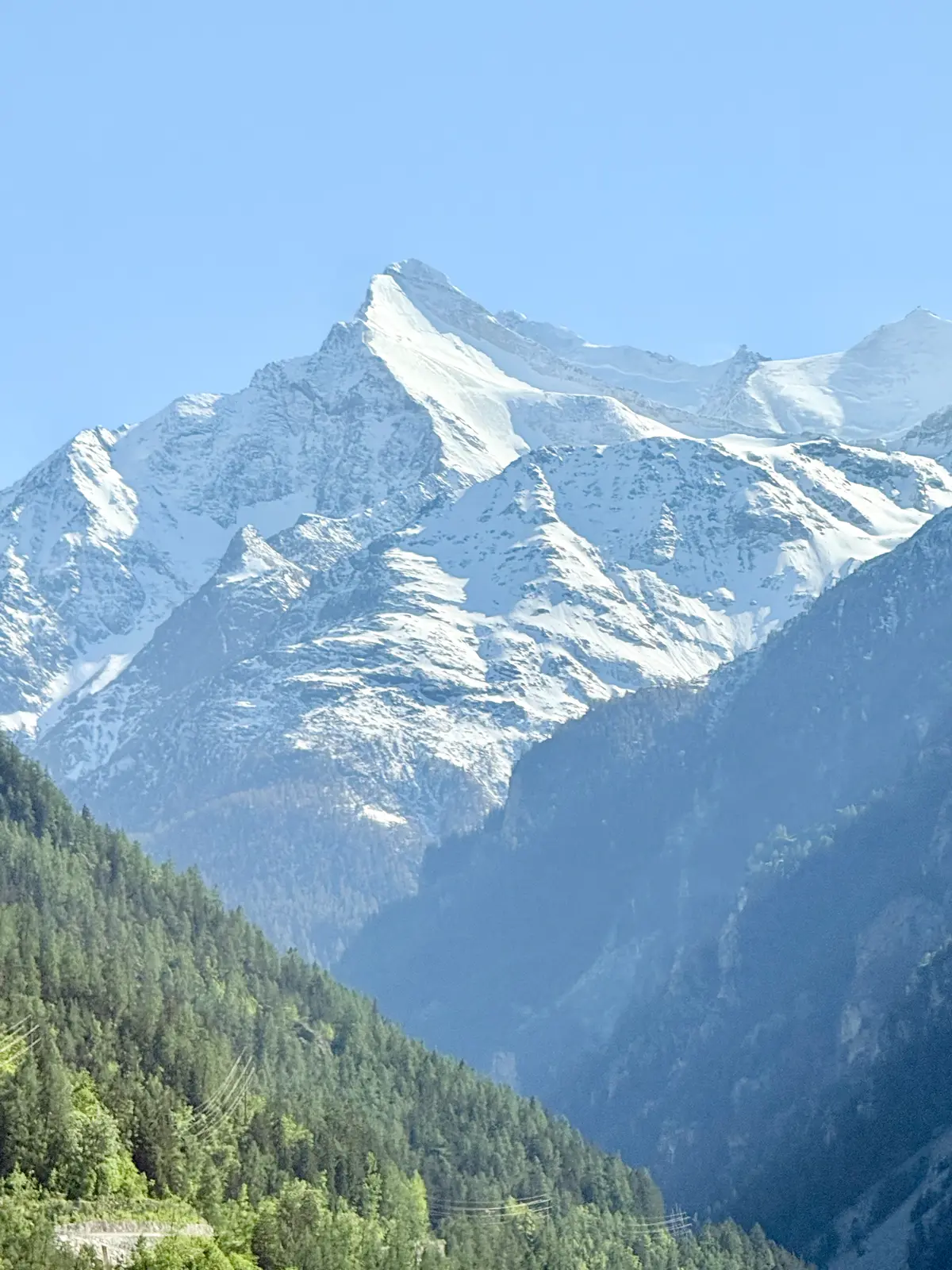
A nameless mountain viewed on the train route to Zermat
Switzerland has a general public militia. Guns are widely privately owned. Posters advertising the Swiss military looked similar to American military posters. The Swiss soldiers were armed like ICE agents as they train in helicopter deployments. Switzerland has universal military conscription. There have been efforts to reduce the Swiss military, but the voters have consistently supported the continuation of universal male military conscription.
Switzerland managed to remain neutral during both world wars. However, Hitler had planned to invade Switzerland. Luckily for the Swiss, the Normandy invasion and the failure of the Russian invasion prevented Hitler from realizing his plans.
Switzerland makes over 70% of its GDP from financial services: banking, insurance, and related services. (source: Wikipedia) Pharmaceuticals are second. High-tech high-value machinery is third. Switzerland is the world’s leader in watch-making. And finally, tourism is important, especially in the rural areas. I’m personally doubtful about the Swiss watch industry, since I stopped wearing my watch in favor of checking the time on my ever-present Apple iPhone.
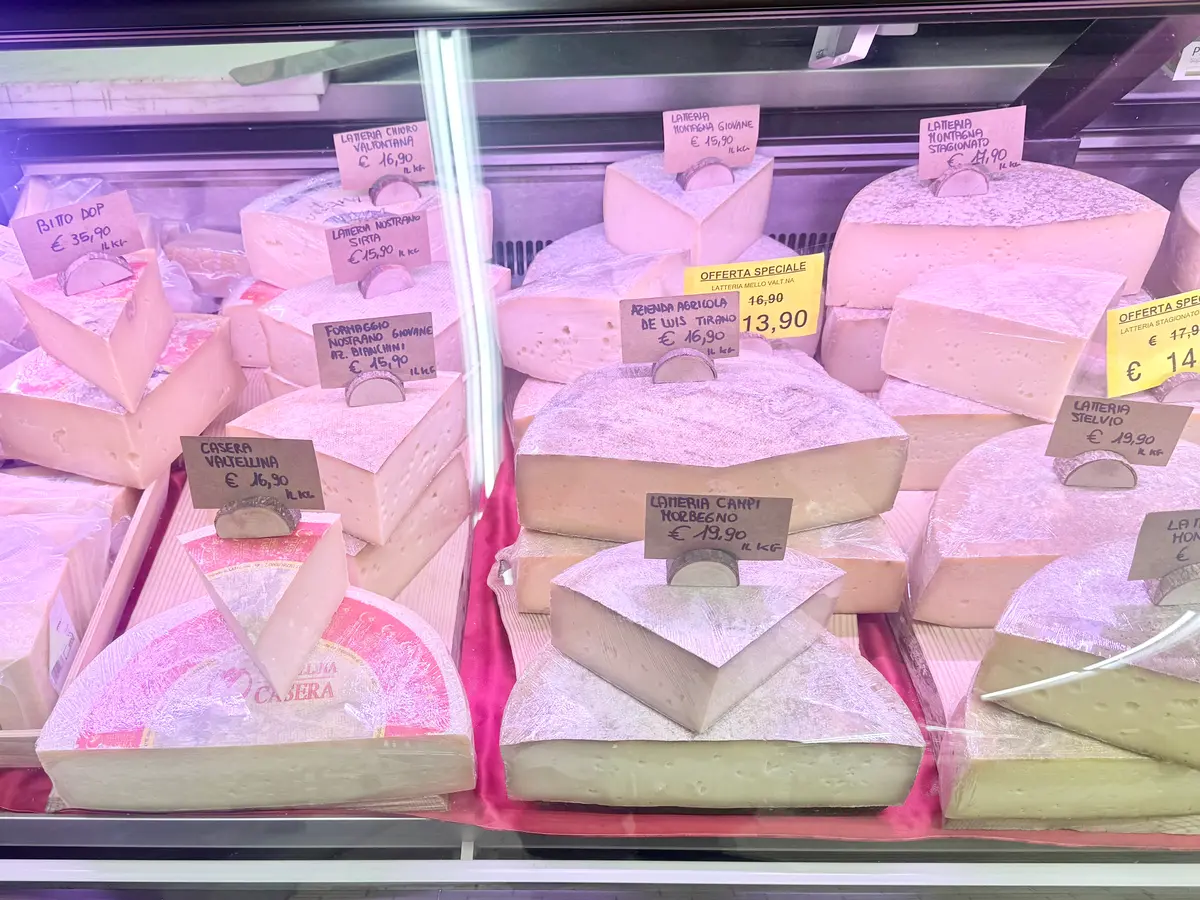
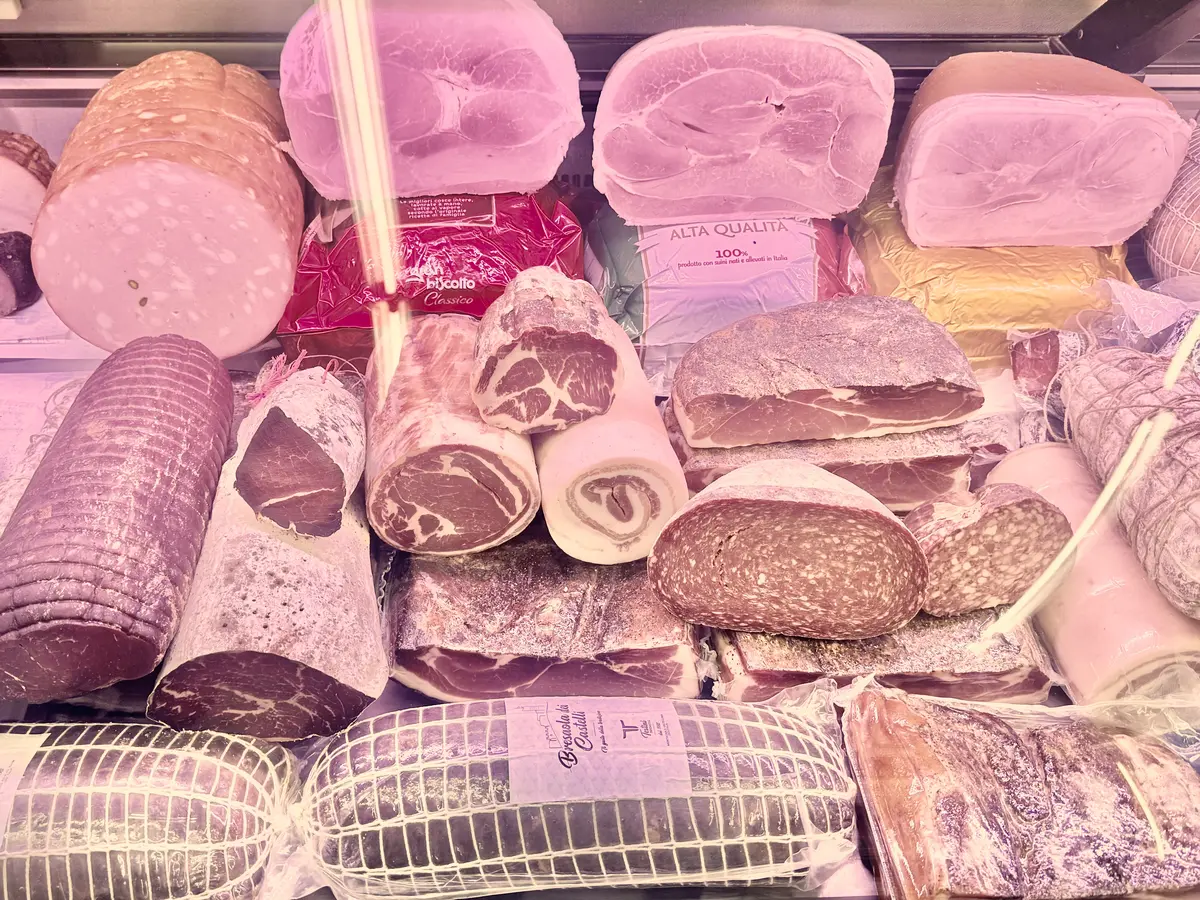
Italian and Swiss cheeses and sausages on sale at a small shop in Tirano, Italy, the end point of the Bernina Express originating in St. Moritz
When we were in Zurich we discovered what was advertised as “the oldest Indian vegetarian restaurant in the world” (outside of India). It was founded in 1898, and we loved it. It served a buffet of Indian dishes as well as some Thai and Swiss dishes. One simply fills one’s plate, which is then weighed and charged according to its weight. It would have been possible to eat there without spending so much money. But since Indian food is Susan’s and my favorite, our bill was at least $100. One unusual non-Indian dessert that I enjoyed was Strawberry-Rhubarb Tiramisu. (I never had that in India!)
Switzerland has fewer Middle-Eastern guest workers than its neighbors. Many Germans, Austrians, French, and Italians come to work in Switzerland, because the wages are high and the guest workers are generally multi-lingual. There is a strenuous pathway for foreigners desiring to become Swiss citizens, which requires language fluency, gainful employment, and at least ten years of continuous residence.
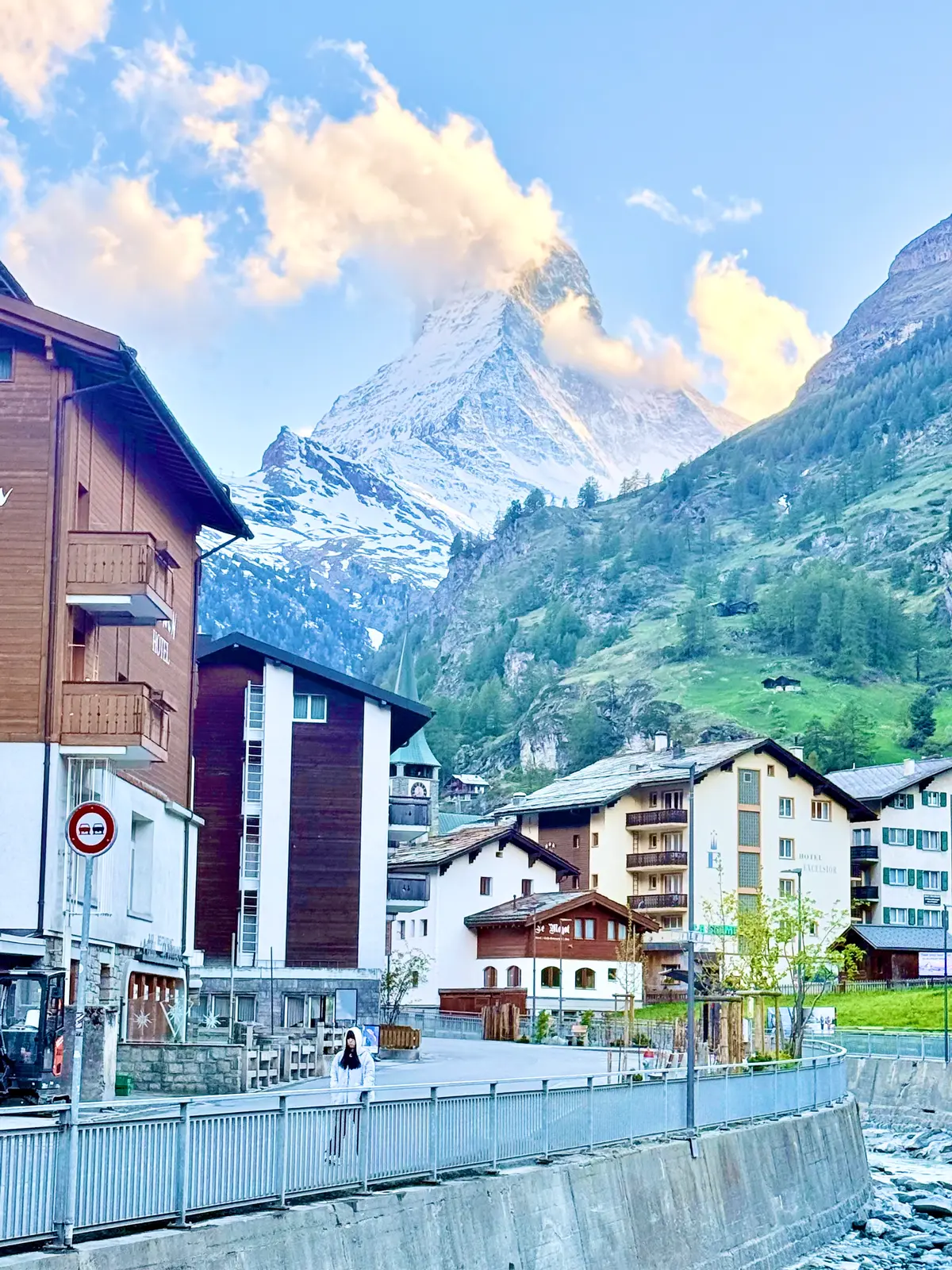
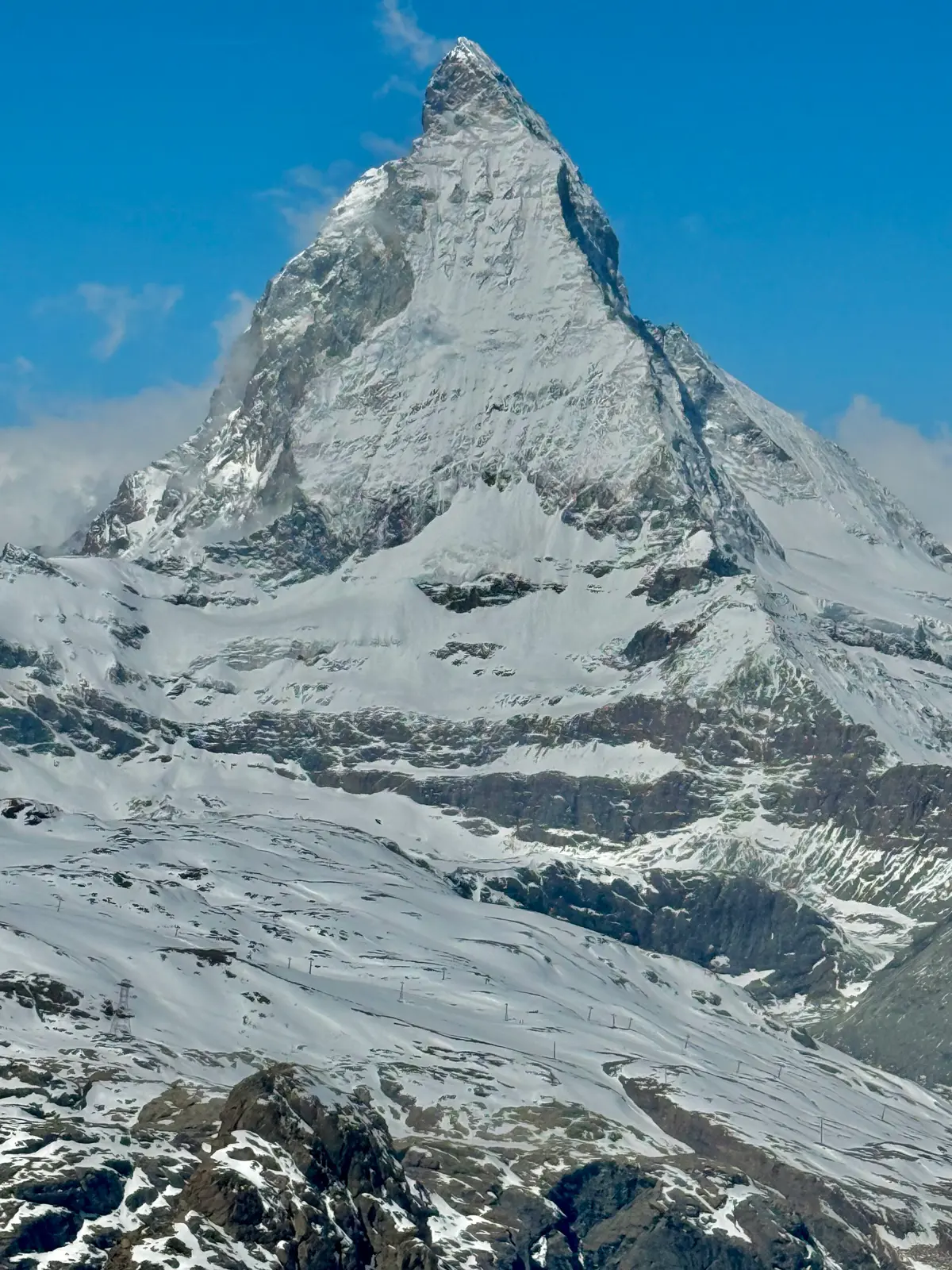
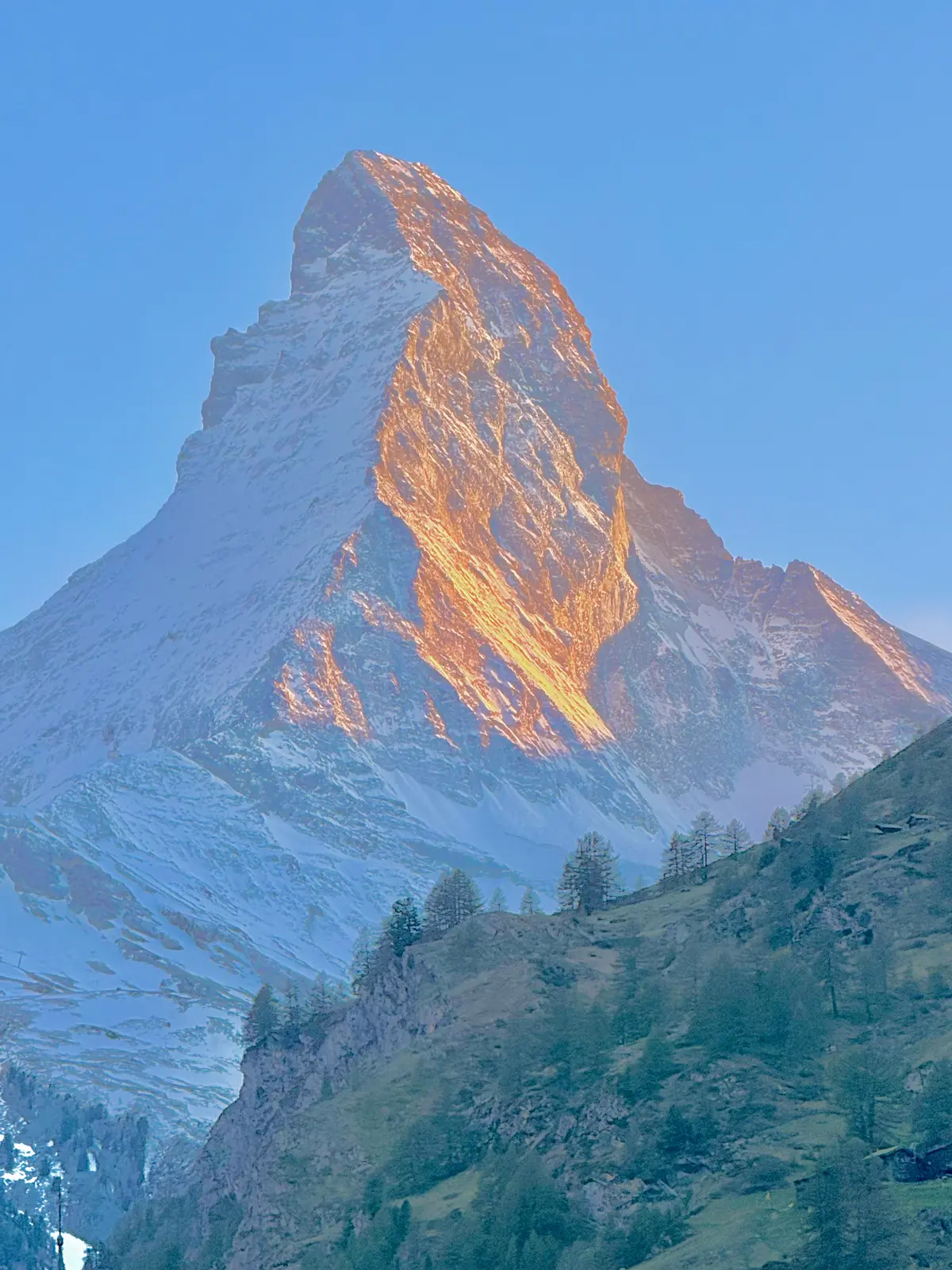
The Matterhorn as seen from Zermat is beautiful in any weather at any time of day.
Zermatt
Home of the famous Matterhorn...The magnificent scenery does not disappoint. The view of the Matterhorn in mesmerizing as the Matterhorn creates its own weather with changing clouds. There is a cog-railway that carries passengers to a high altitude museum and lookout. I’ve only experienced cog-railways in Switzerland, where the angle of elevation is too steep for conventional train engines.
The Glacier Express
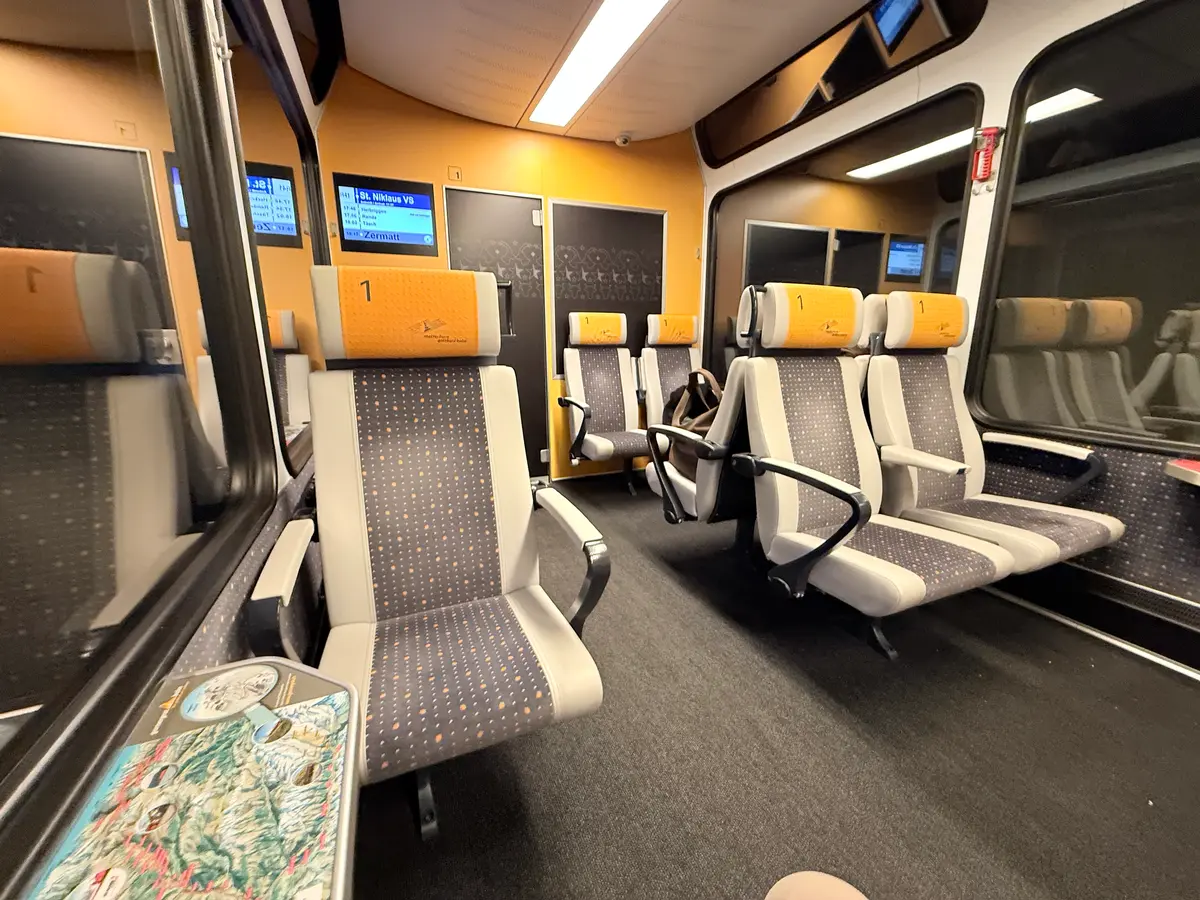
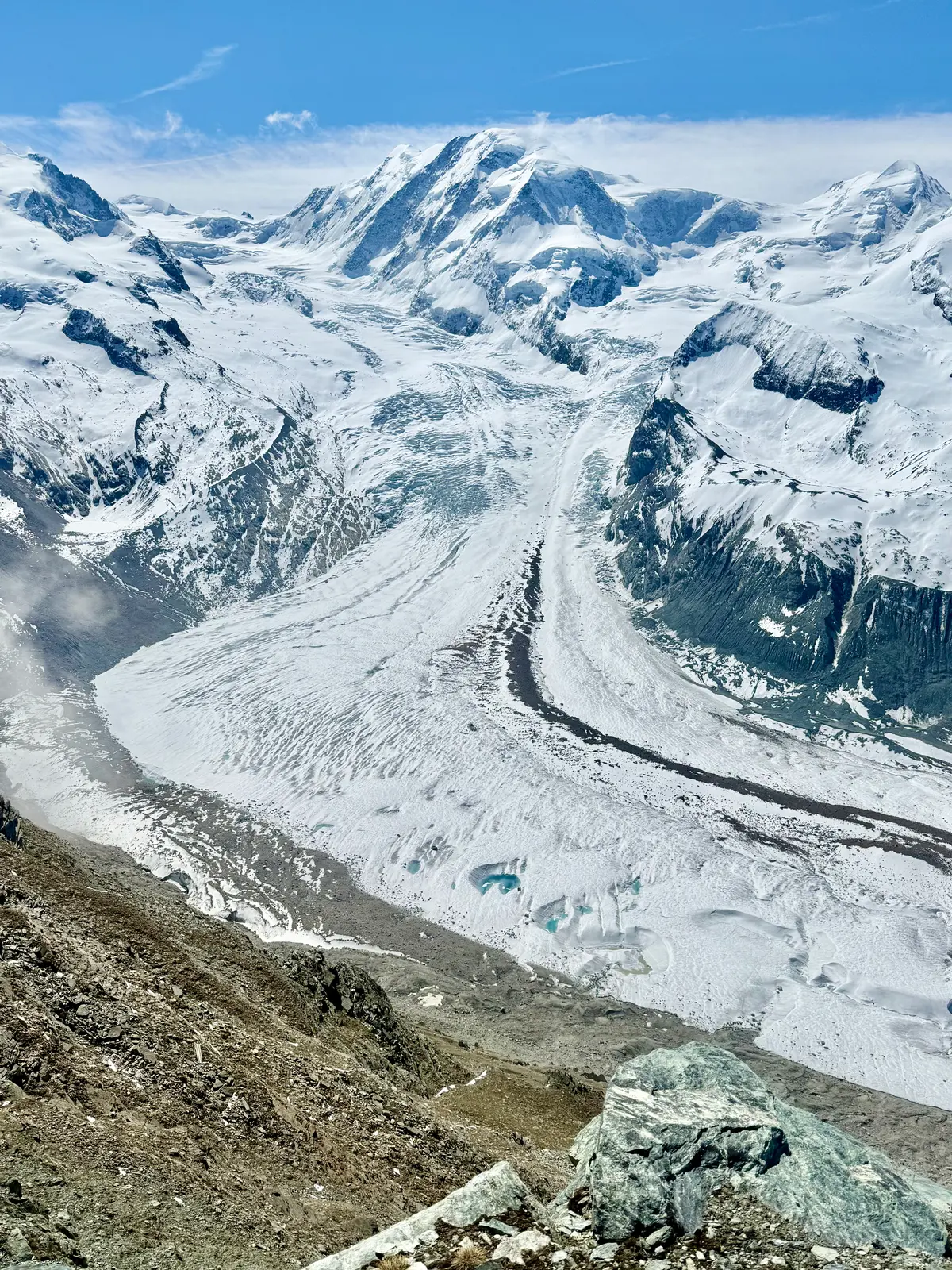
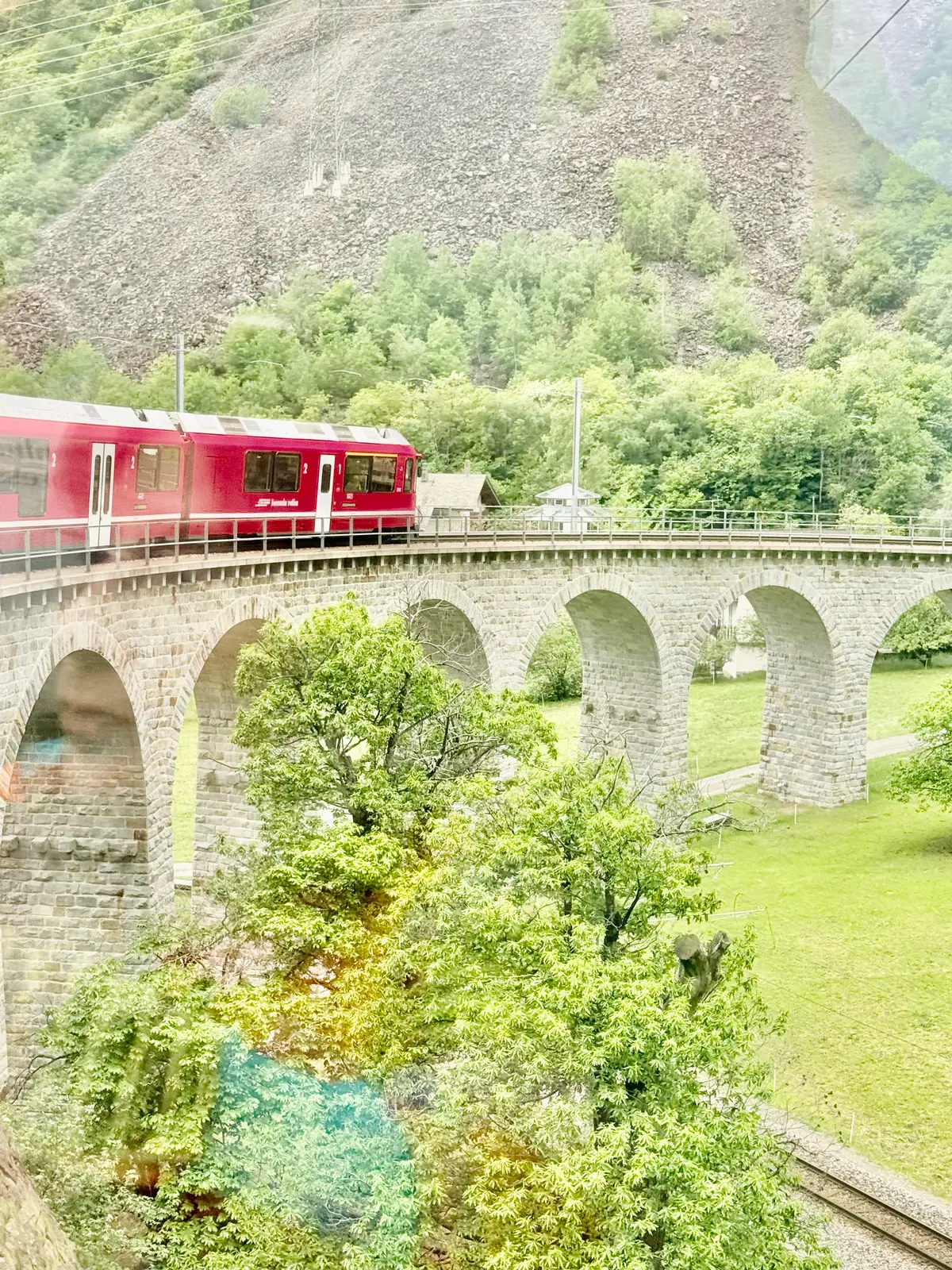
This scenic railway is billed as the “world’s slowest” tourist train. Indeed, our train changed engined being pulled by the cog-railway engine during part of the journey. The journey is marked by dozens of tunnels and bridges. The railway is an engineering triumph, making these Swiss dramatic landscapes available to all. We saw glaciers and houses located high up the mountain sides. I was reminded of Norwegian landscapes which are similar. There are still many dairy farmers in the mountain villages. The breakfast buffets at the hotel offered different types of Swiss cheese I had never seen before.
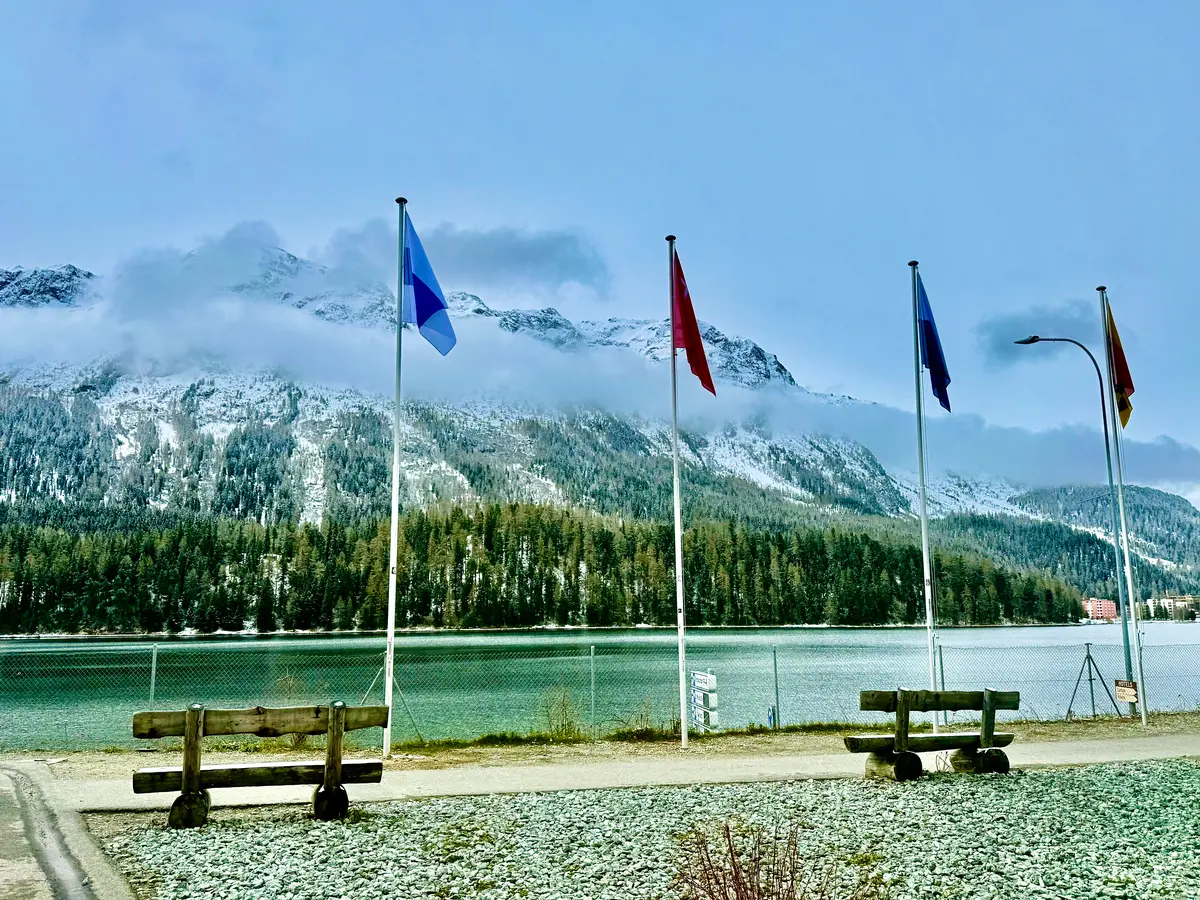
St. Moritz
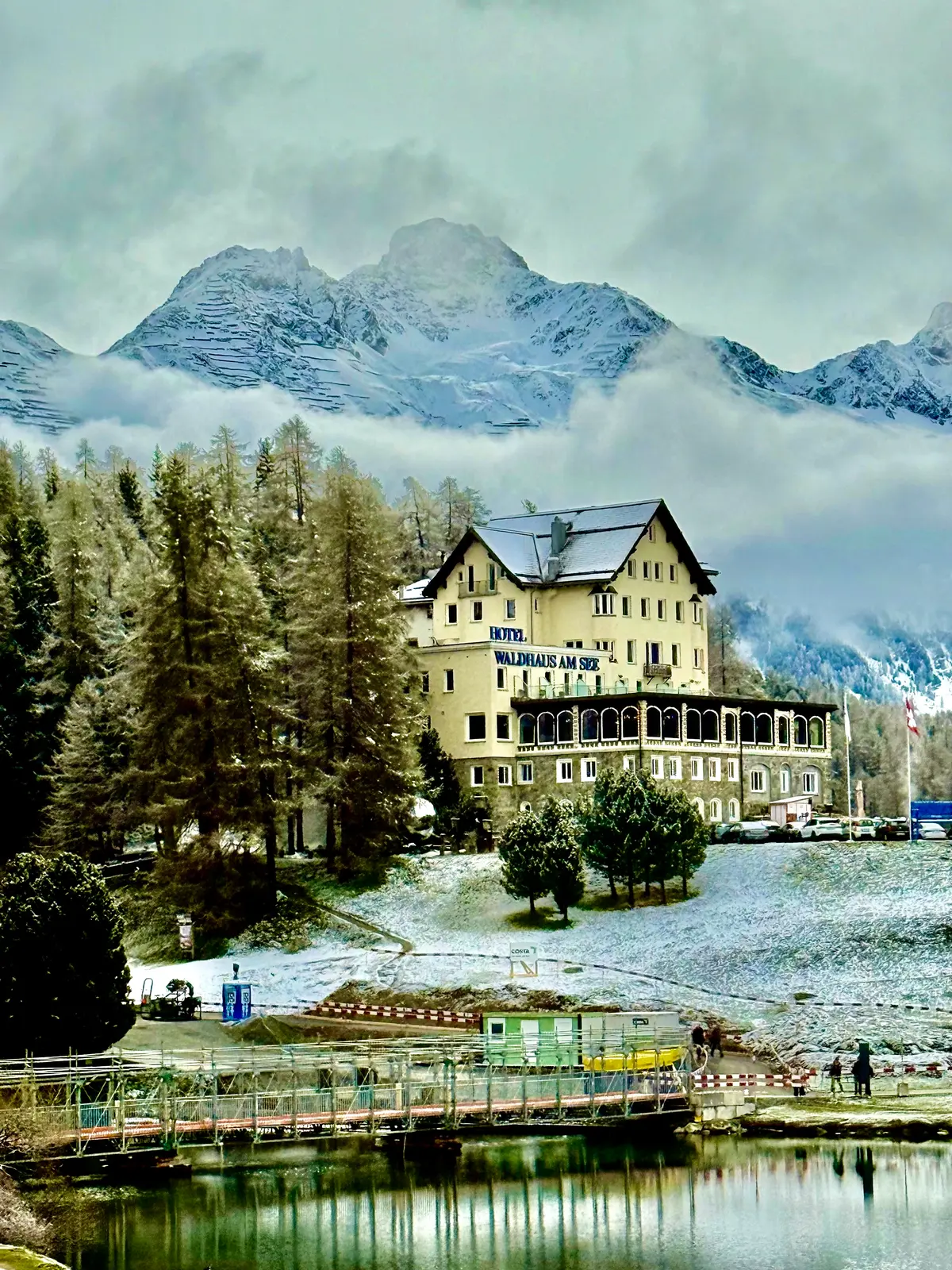
The Glacier Express took us to Zermatt to St. Moritz, a city on a lake surrounded by high mountains. Every sizable village the train passed through had ski lifts leading up to the mountain peaks surrounding the villages. St. Moritz was more a luxury town like Zermatt. St. Moritz is home to an annual jazz festival. The more-famous Montreux music festival is larger, but this summer’s St. Moritz festival will host Pat Metheny among many other other music stars.
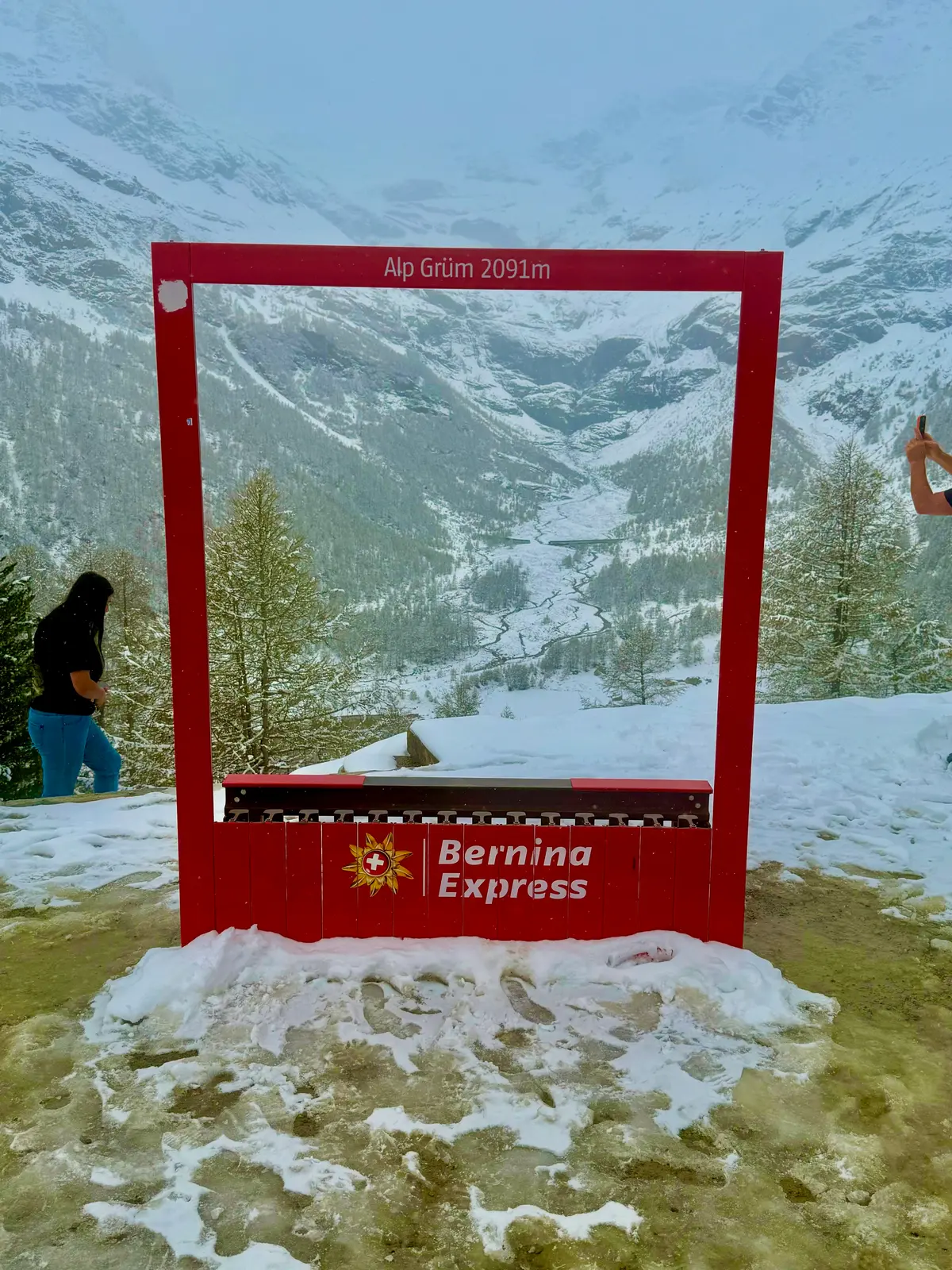
The Bernina Express
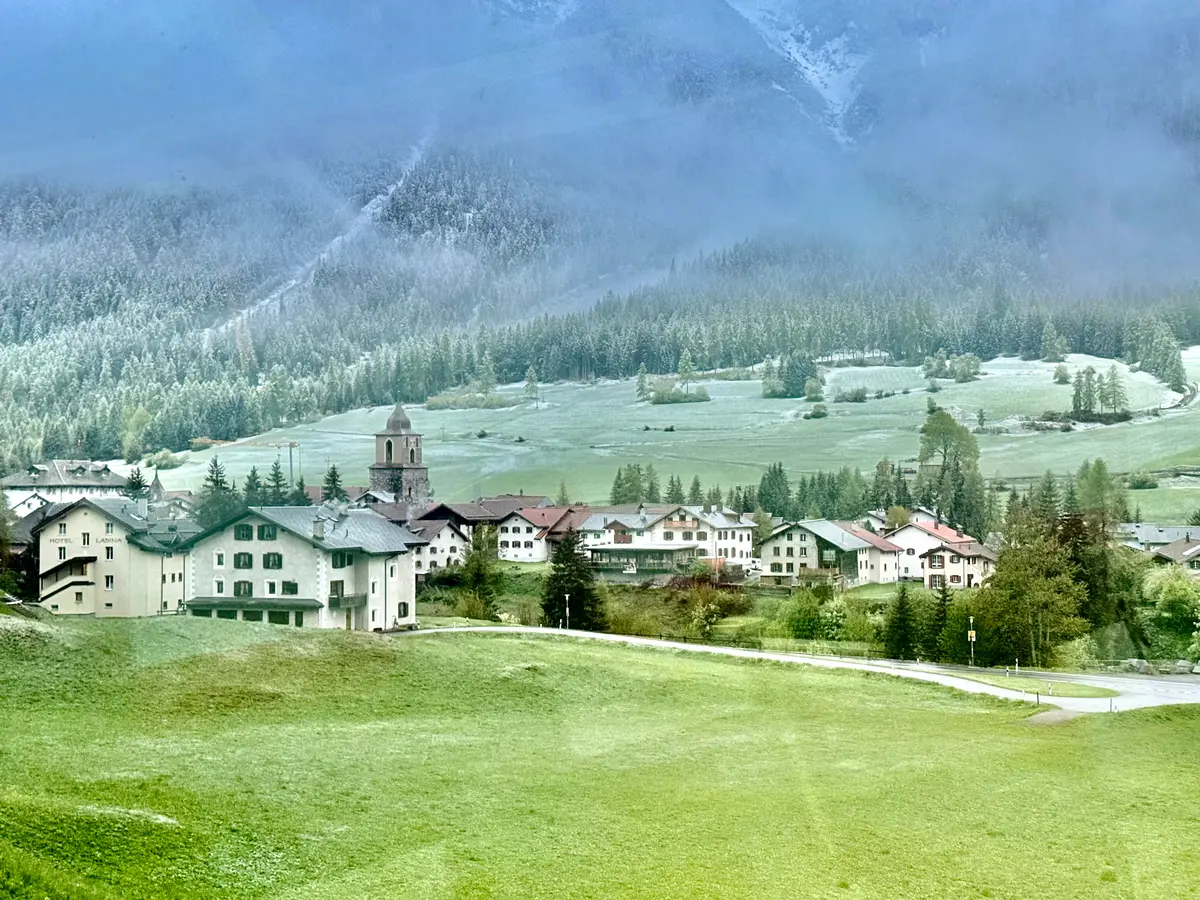
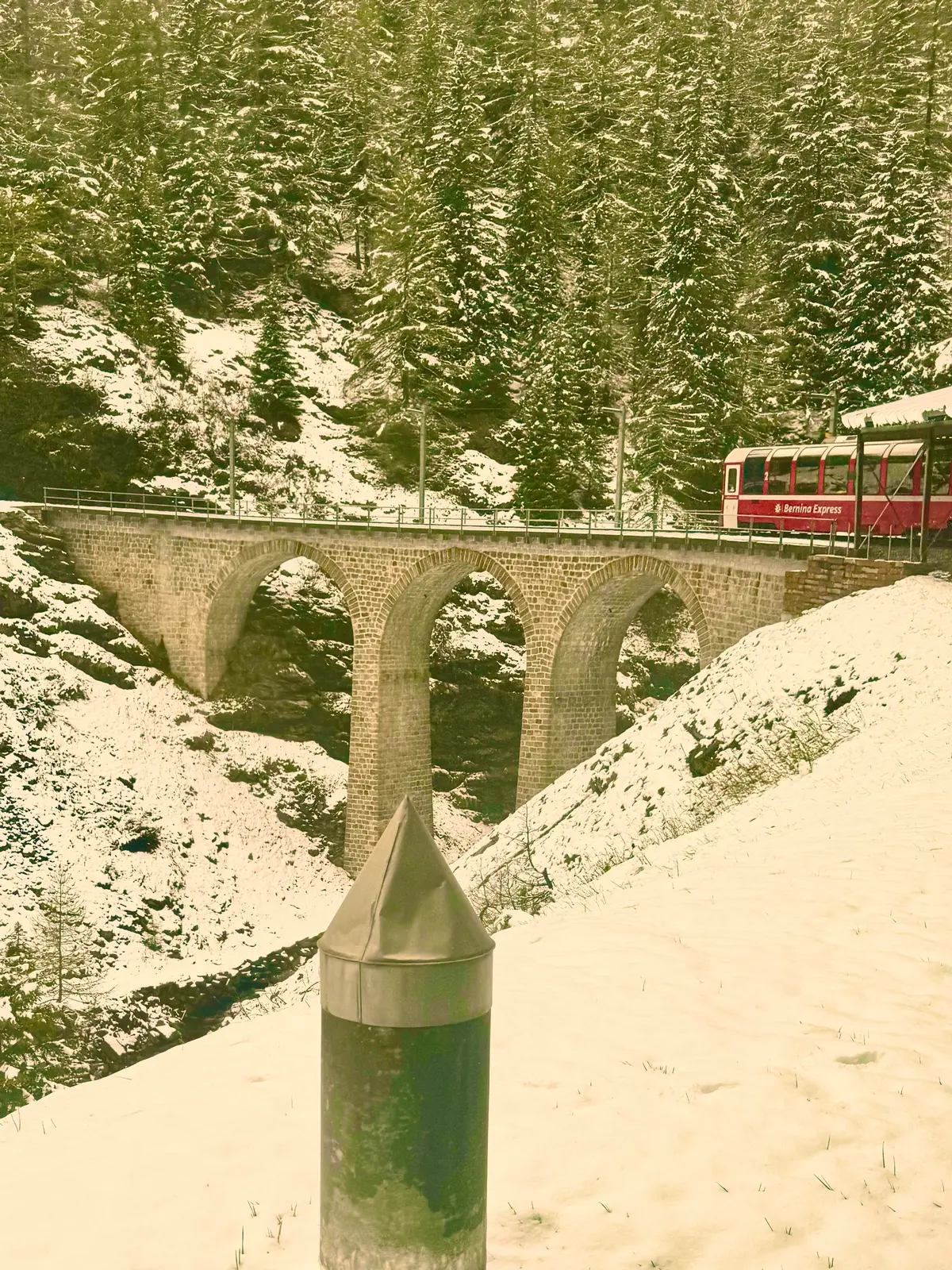
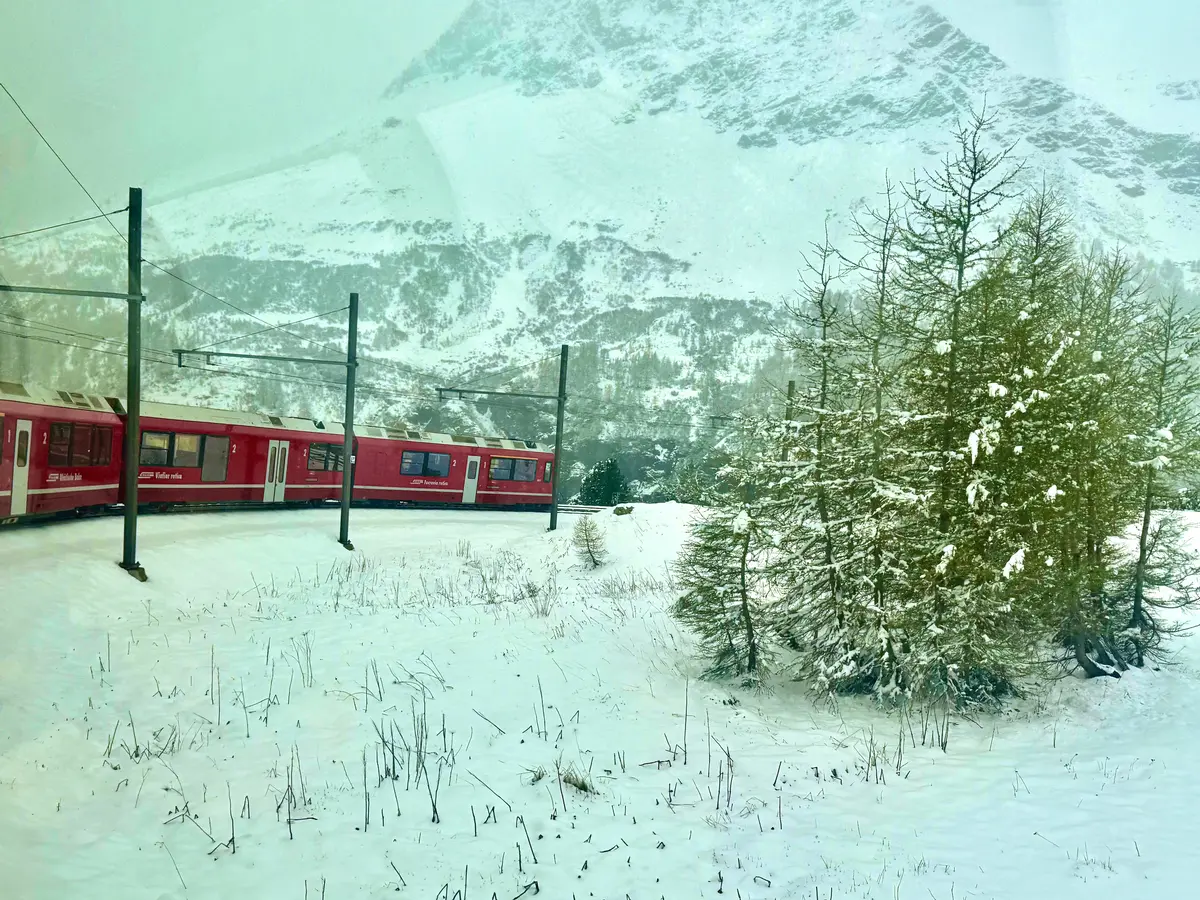
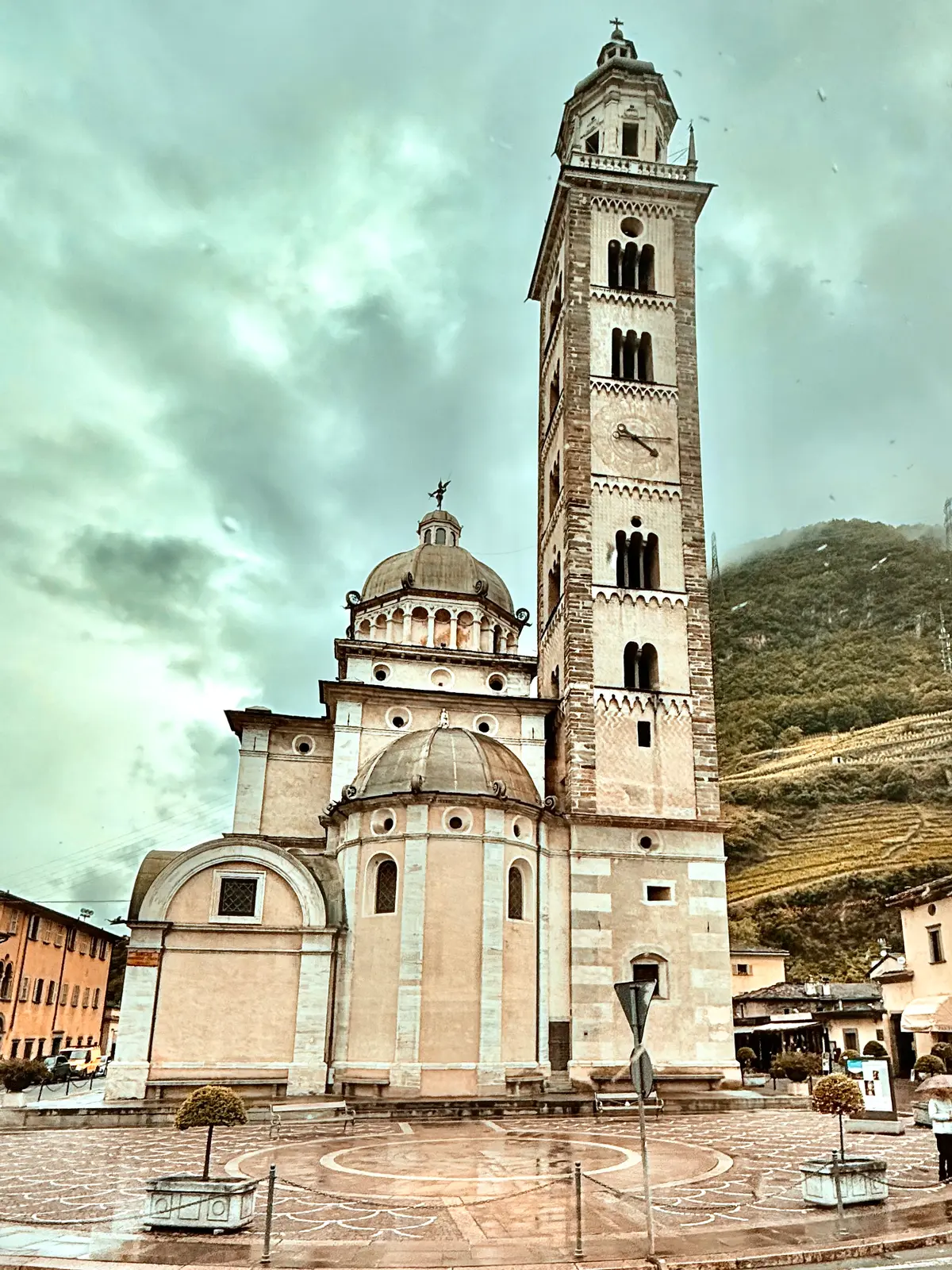
This Bernina Express is a special tourist train that travels from St. Moritz, over the high passes, down a long high-walled valley, ending just over the Swiss border in Tirano, Italy. It was snowing on the day when we took the trip. It was interesting to note the dramatic culture change from Switzerland into Italy. Switzerland is relatively quiet, peaceful, and more rural, whereas Tirano, Italy, was much busier, with many restaurants and gelato shops. It was great to have Italian food for one meal again after the blander Swiss food.
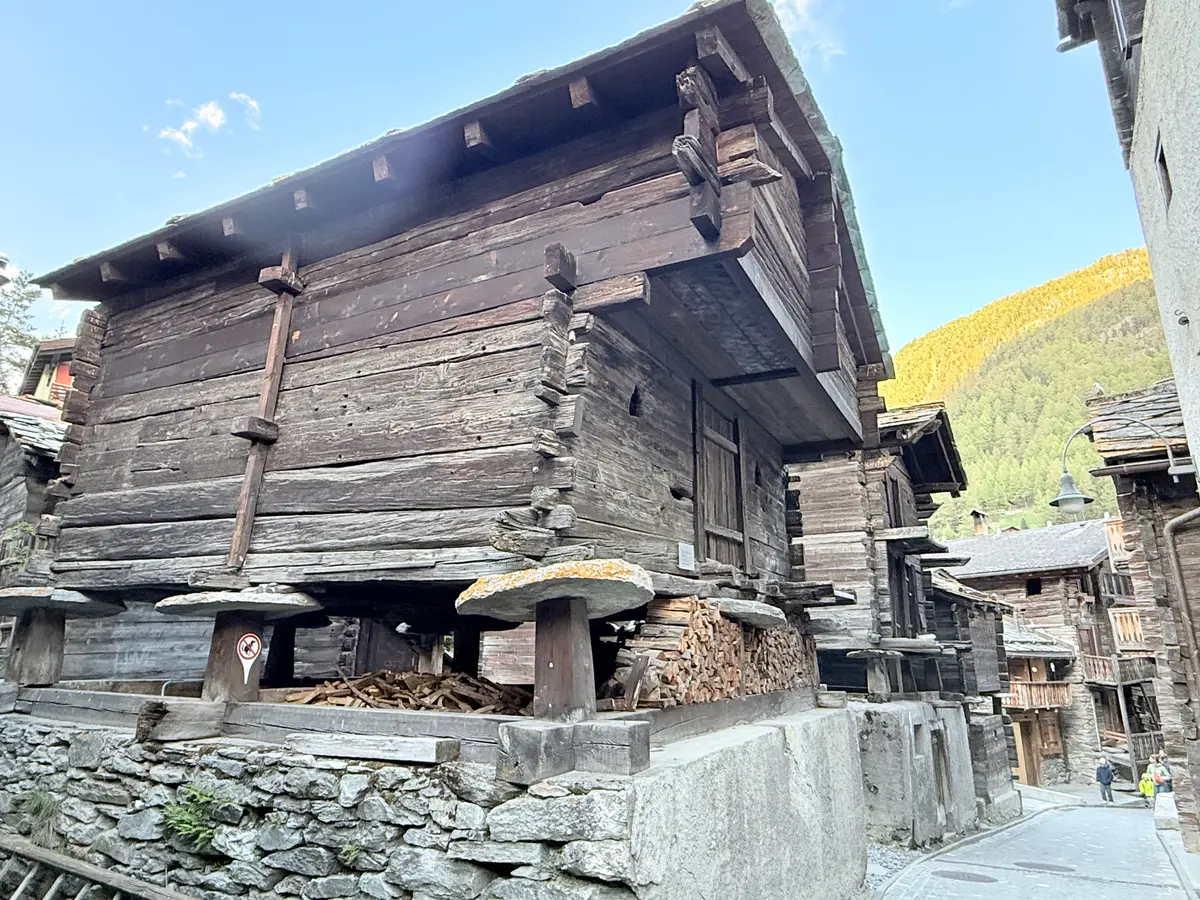
Zermat has preserved some of the original houses, some several hundred years old.