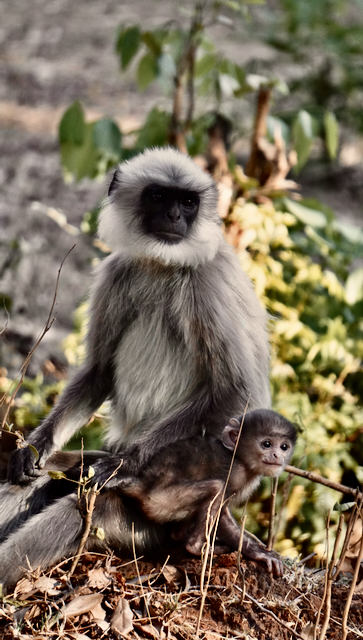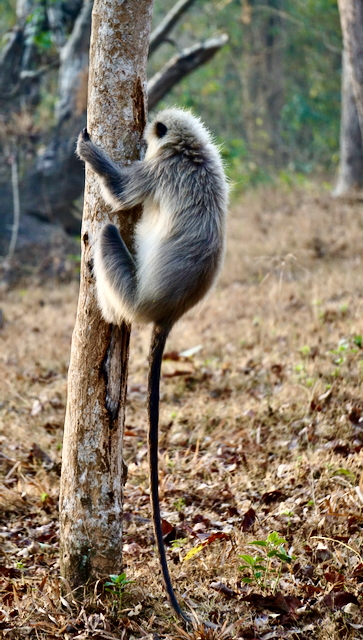
In this year's India tour, we experienced wildlife in a manner I had thought would only be possible in Africa. We were pleased to learn that India is protecting its tigers, elephants, and other endangered species, in a number of "reserves." Tourism supports these efforts, providing jobs for locals, and incentivizing the sustaining of India's wild animal heritage, which is in increasing danger from habitat encroachment by the burgeoning human population.
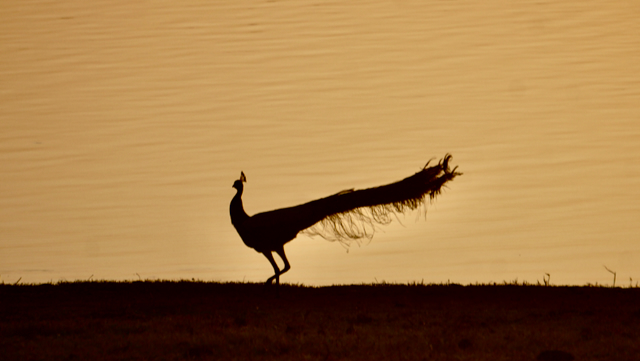
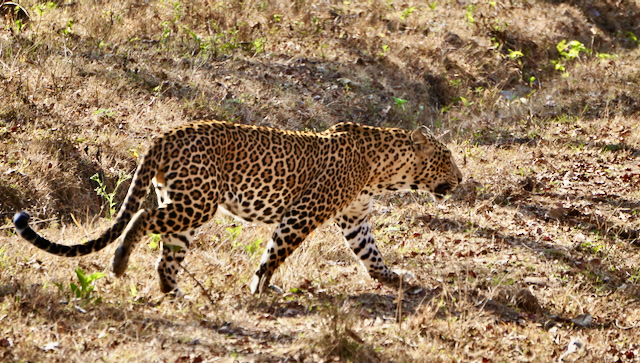
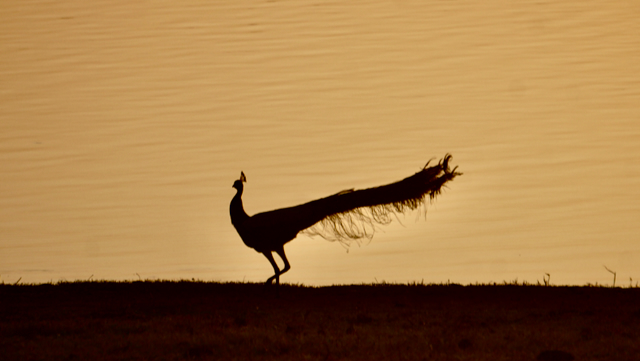
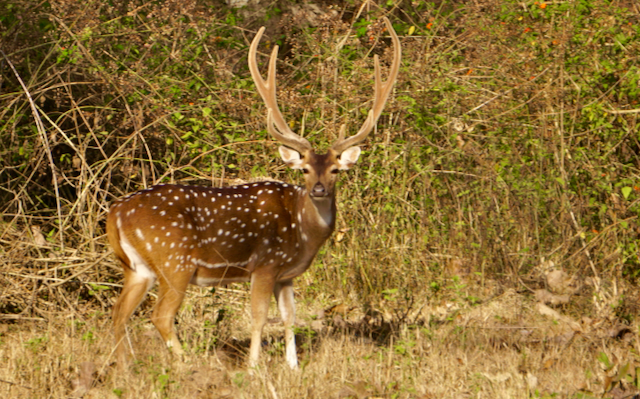
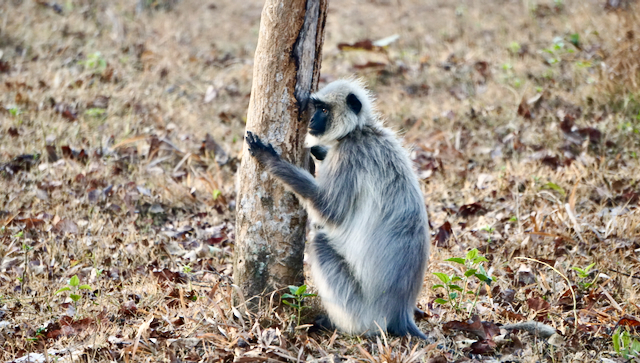
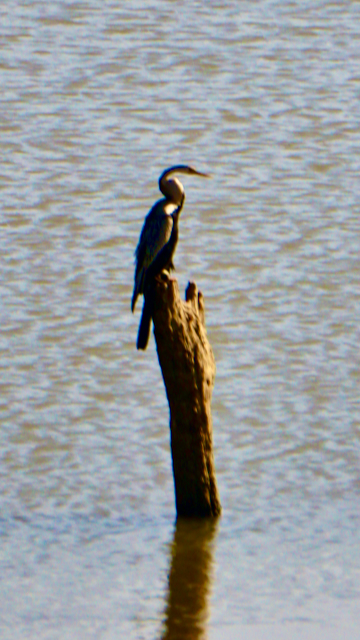
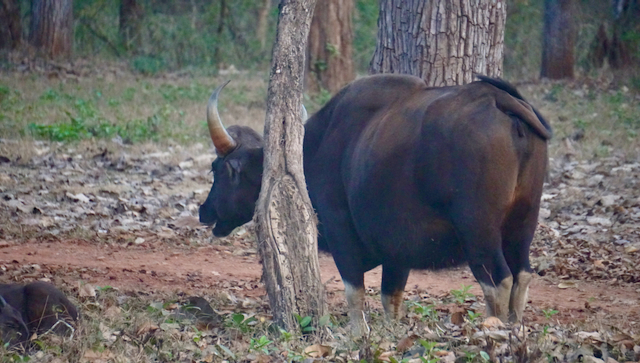
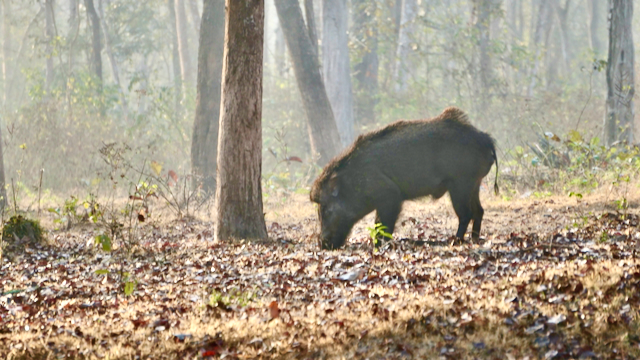
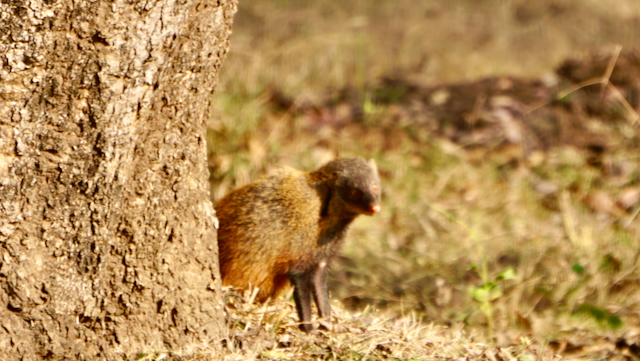
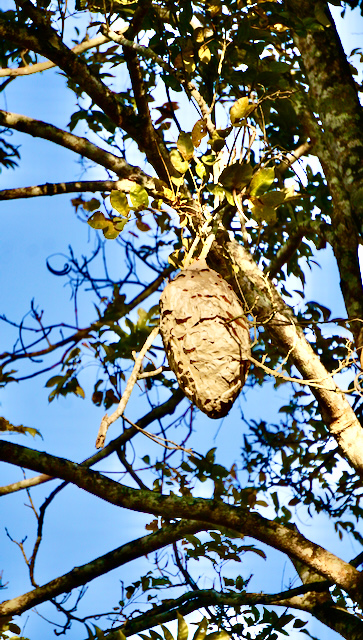
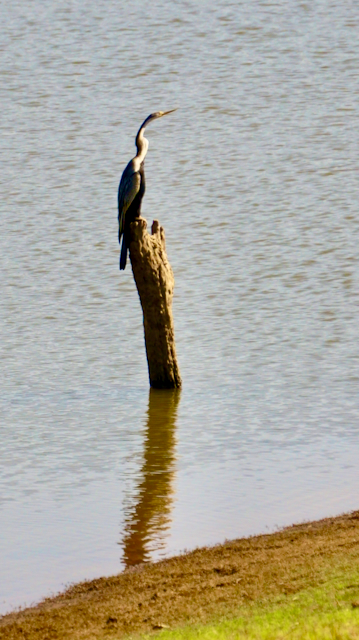
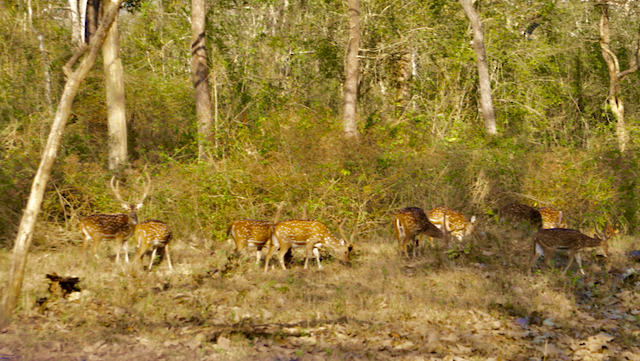
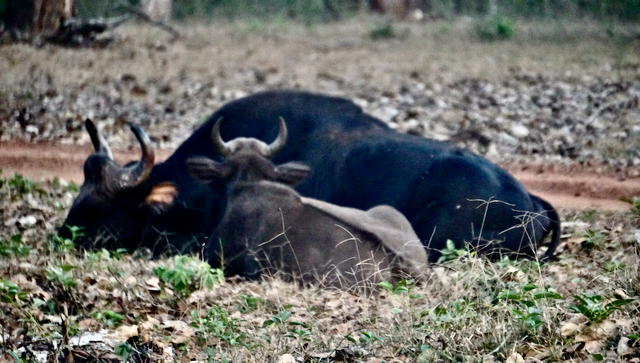
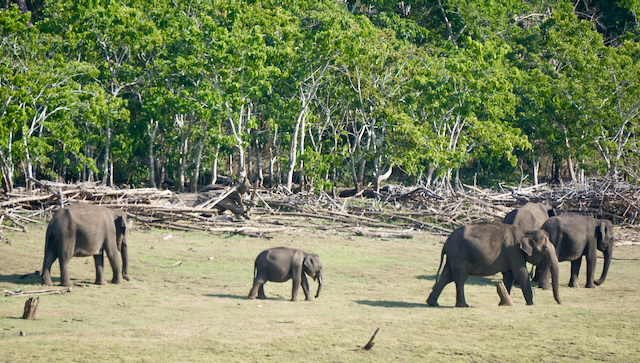
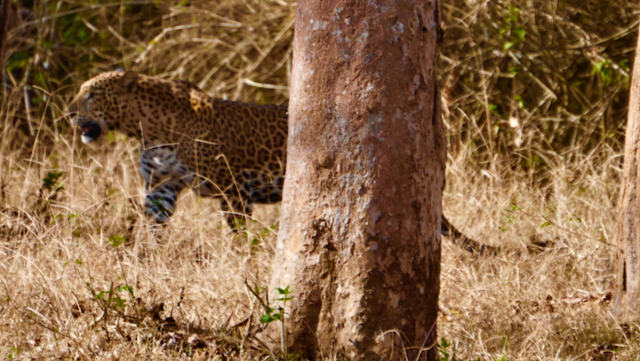
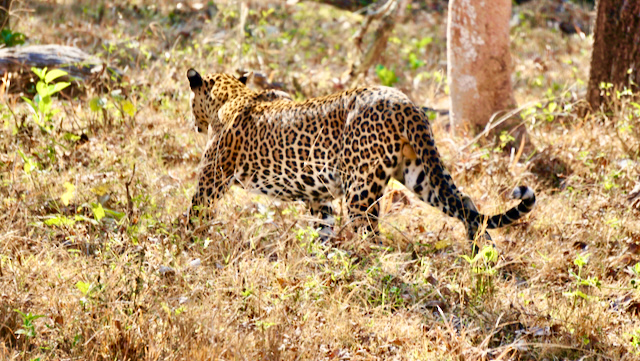
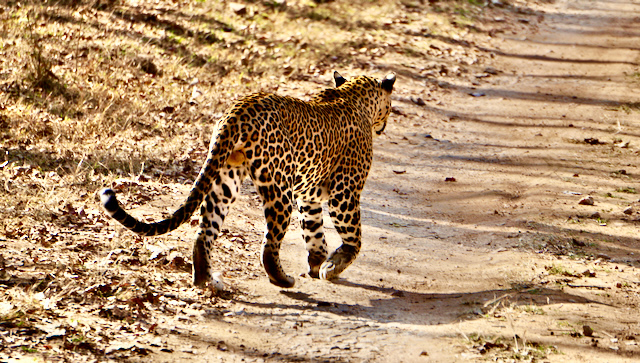
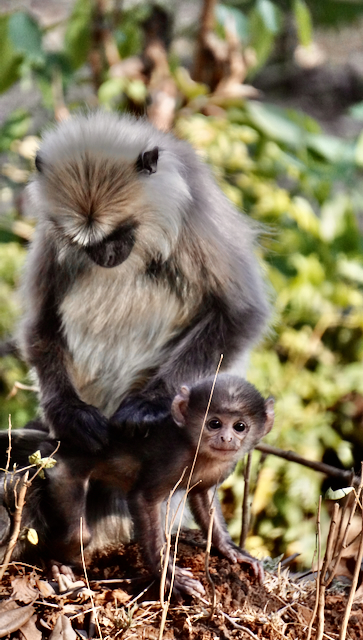
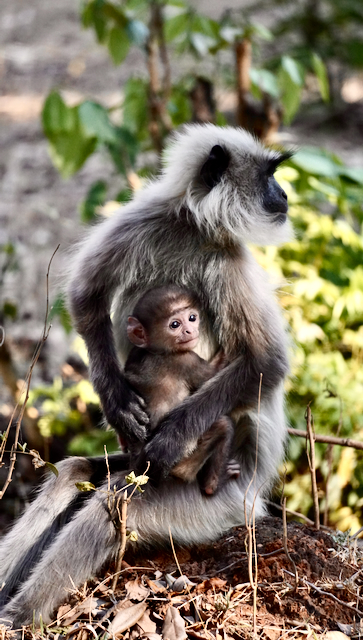
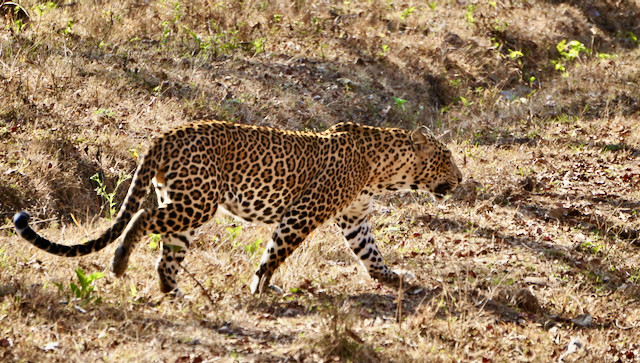
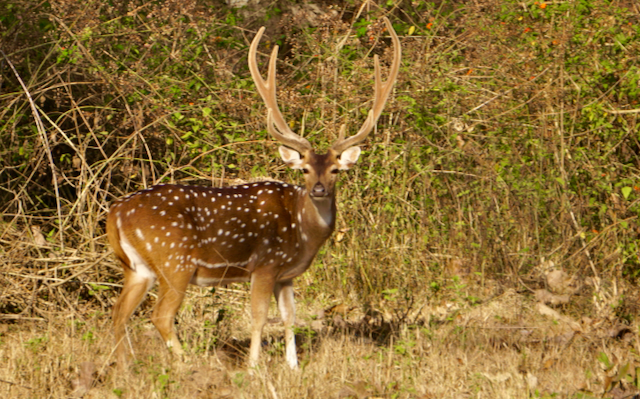
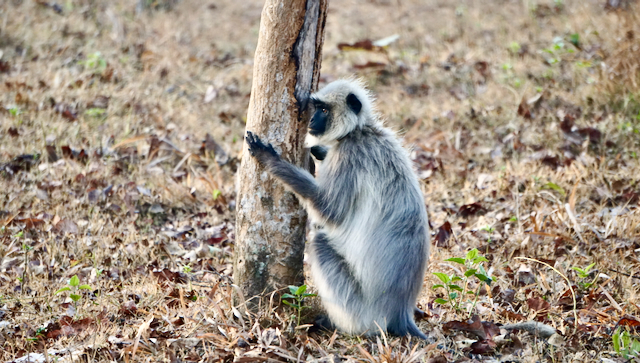
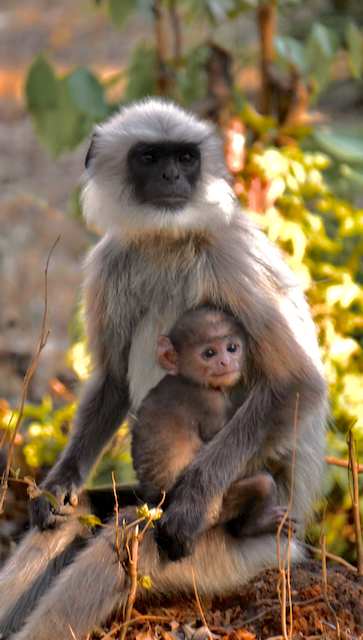
The wildlife photos in this blog were all from a "tiger preserve." We didn't happen to see any tigers, though they were there, hidden in the jungles and forests. But we saw many elephants, deer, birds, monkeys, and other wildlife. These photos are just a small sample of the hundreds of photos I took. Some other tourists were lucky enough to see a tiger on their safari trips. We were lucky to see two leopards (which are also rarely seen because they are solitary animals that avoid other animals except when they get hungry). We traveled on roads through the preserve in open jeeps which held 5-6 passengers. Apparently, lions, tigers, and leopards, do not recognize jeeps as being an animal to be feared or attacked. Elephants are different, as you will read later in this blog.
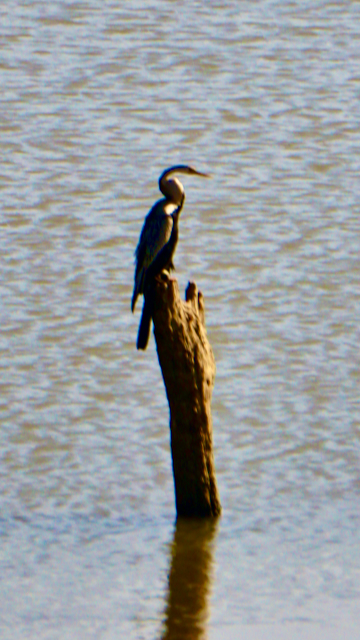
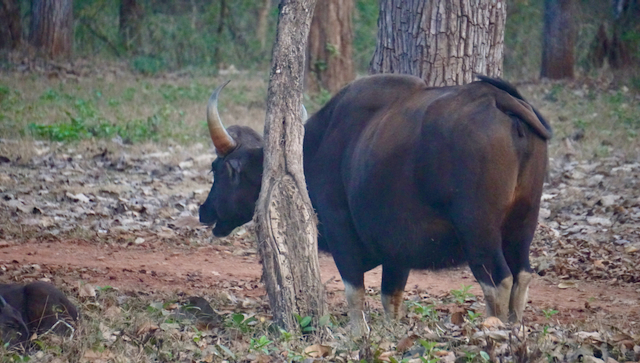
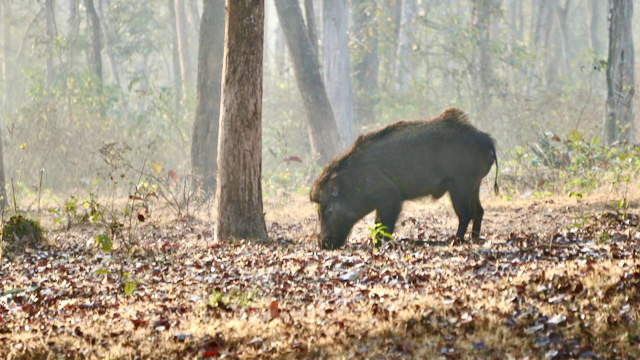
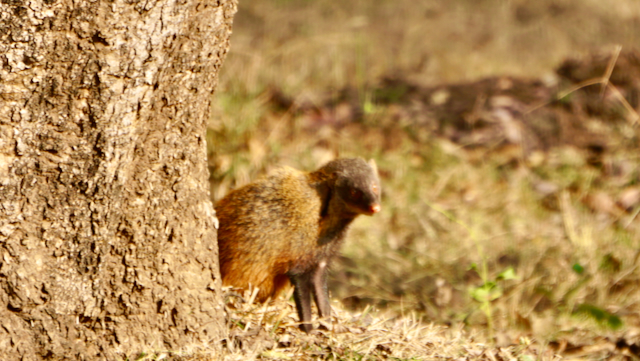
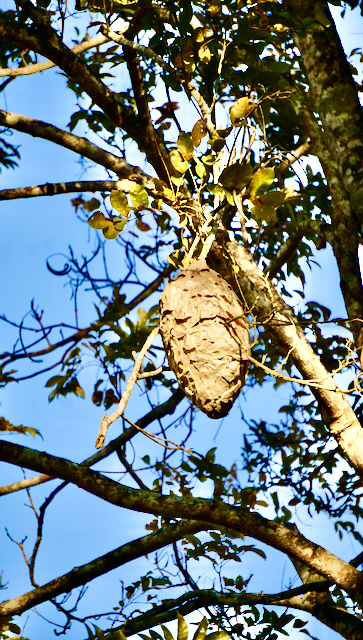
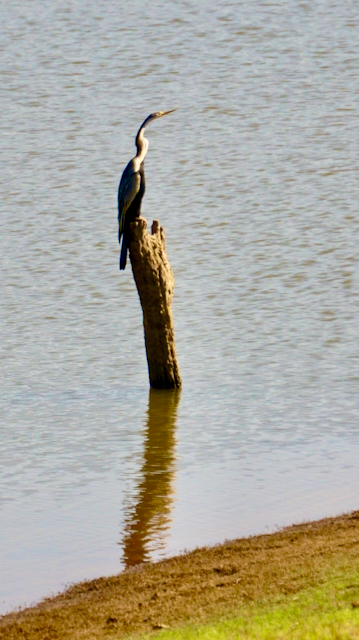
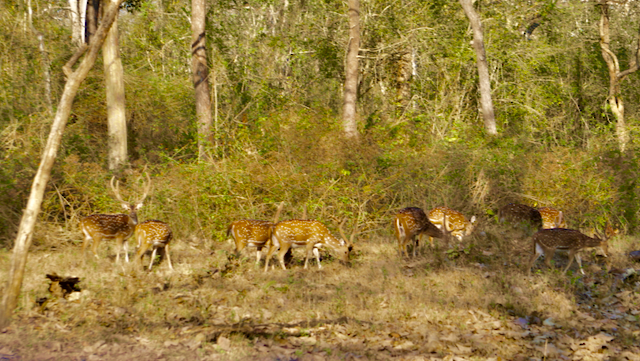
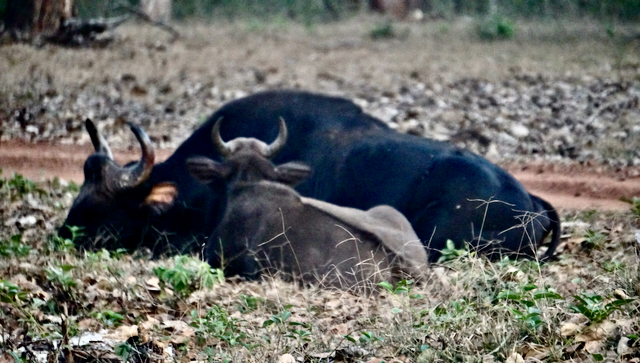
For the rest of this blog, I'll present photos taken at the same locations as the ones above.
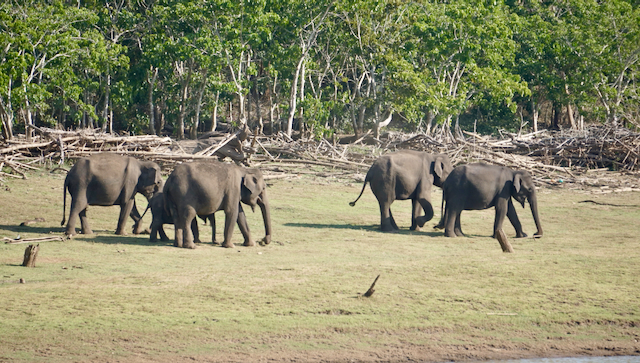
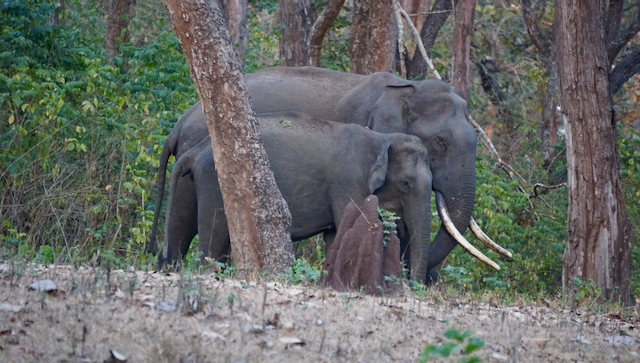
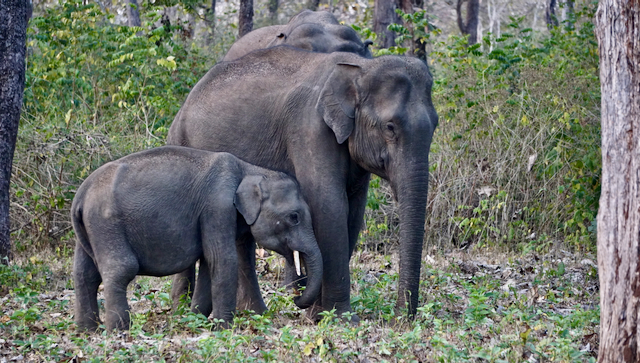
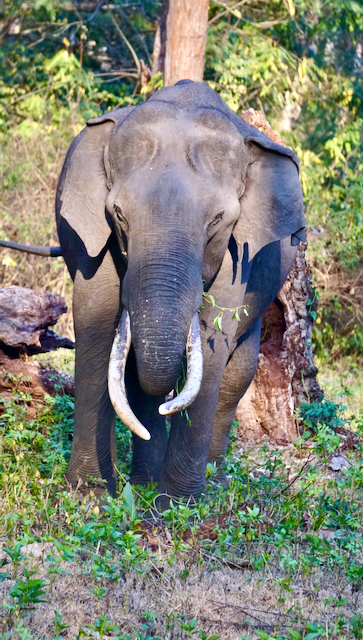
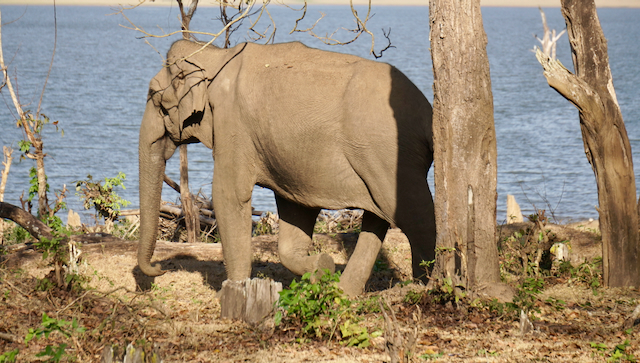
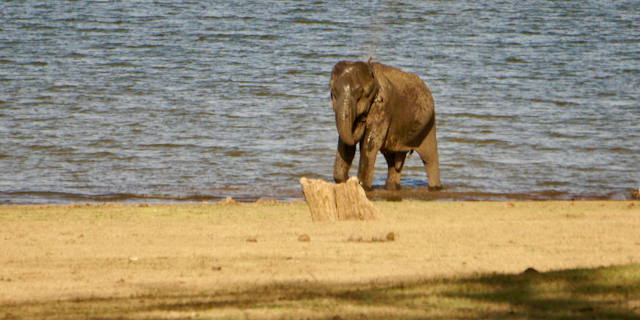
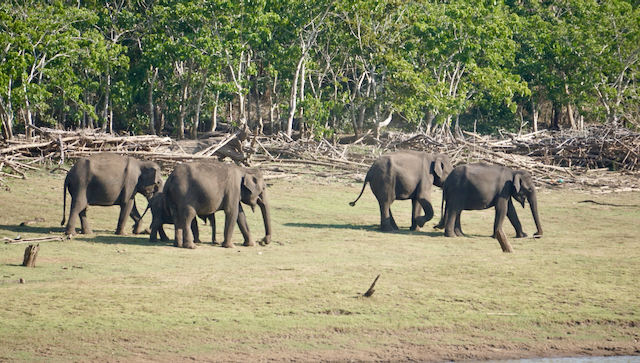
We saw dozens of wild elephants during out two day stay at the Tiger Reserve. Our jeep driver would stop at a likely location, turn off the motor, and we would wait, hoping that wild animals would emerge from the forest. A memorable elephant encounter is described below.
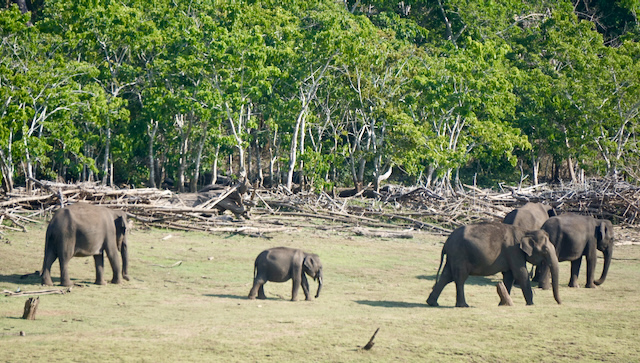
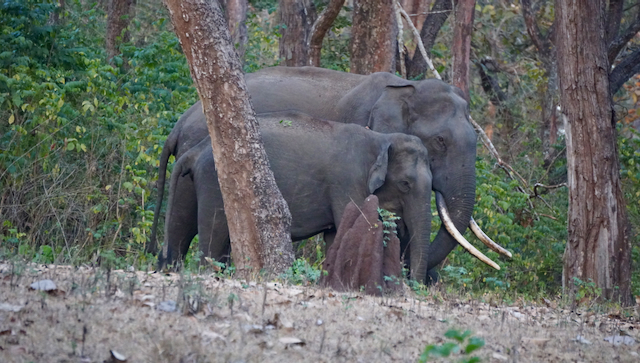
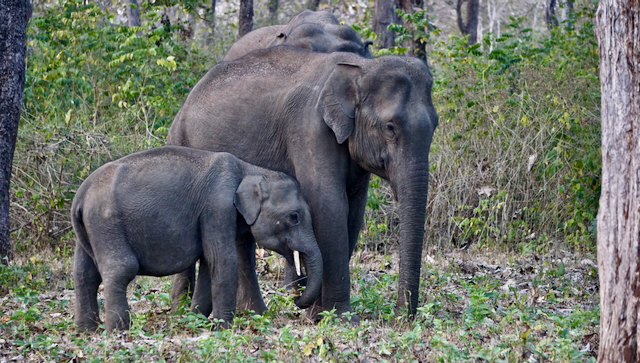
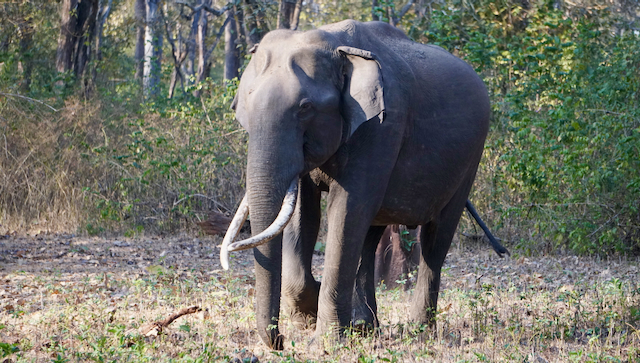
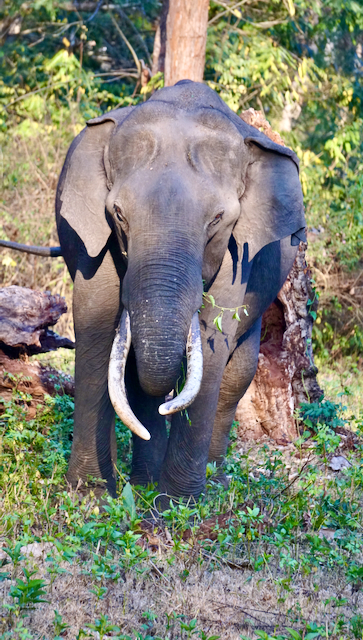
The male elephant above was the first of his family to walk out of the woods. Our jeep driver slowly coasted forward on the road slowly approaching the elephant. He turned and faced us, obviously annoyed by our presence. Suddenly he bellowed an amazingly loud cry: He didn't "flute" or "saxophone," he "trumpeted!" and started to charge toward the jeep. Our driver quickly shifted into reverse and backed away on the road as quickly as he could. Fortunately, the charging elephant stopped and returned into his "territory". We kept a safe distance after that. In fact, we drove on to another area out of sight a short distance away. When we returned by the same road to the place of the initial encounter, the male elephant had been joined by his family: a female, a young daughter elephant, and an even younger male son with short tusks. Obviously the male/father elephant didn't want some tourists getting too close to him and his family.
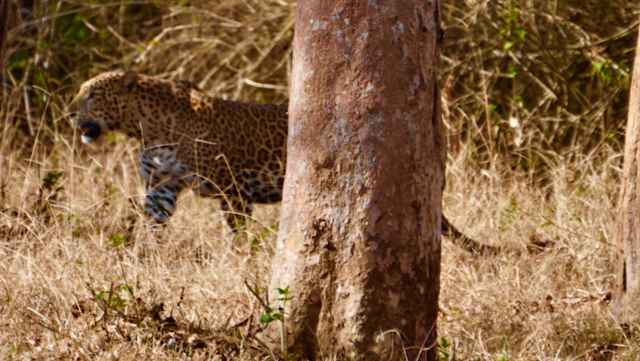

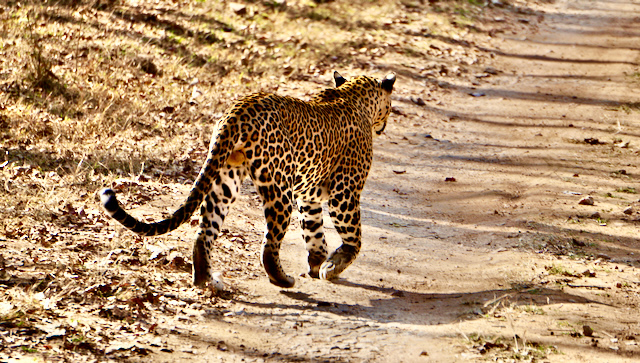
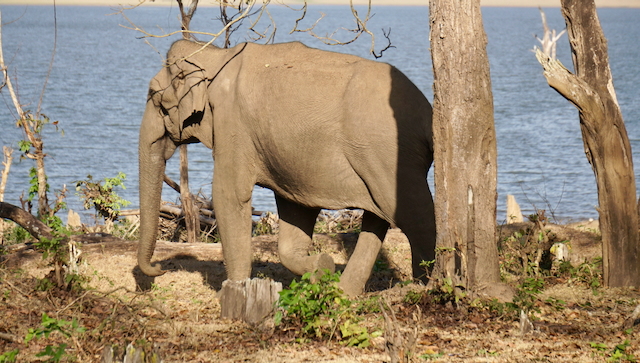
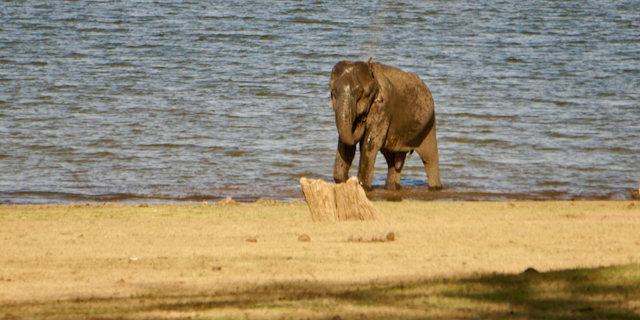
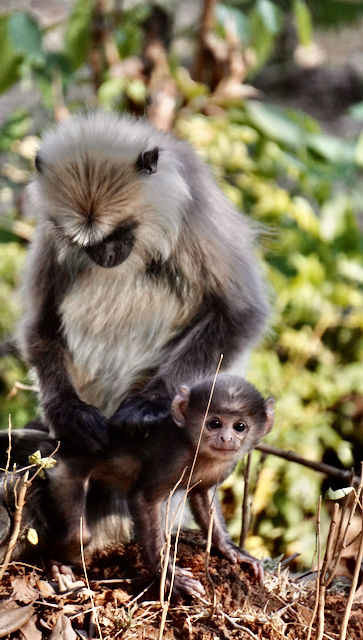
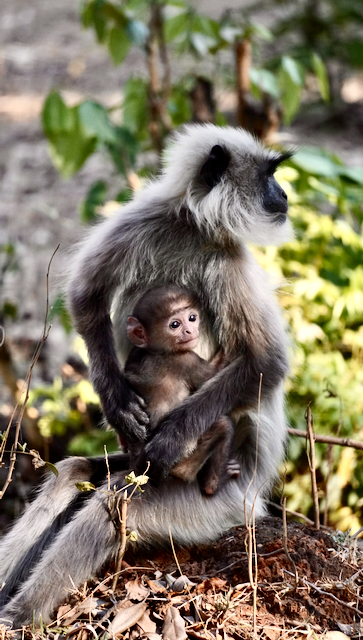
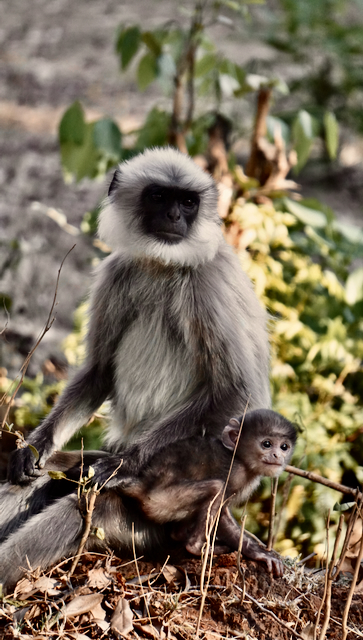
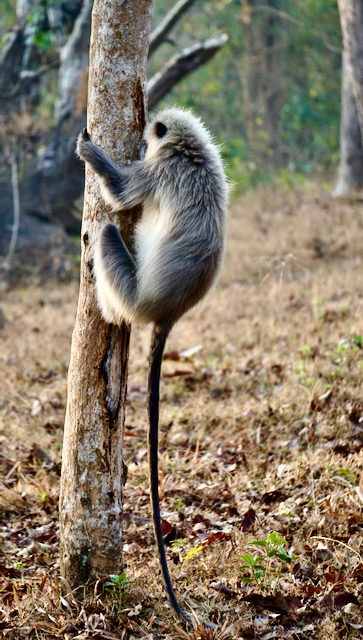

Photo Gallery
View gallery →